Israel continues to flout the Lebanon ceasefire, launching multiple strikes against southern Lebanon on Monday and issuing an evacuation order forcing civilians out of Ain Qana and Kfar Tibnit before a salvo of strikes against those towns.
Strikes were also reported elsewhere across southern Lebanon, with a strike in Ansarieh killing one and wounding four, and a second strike in Qlayieh wounding four more, according to the Lebanese Health Ministry.
The IDF’s statements claimed that the attacks on the evacuated towns were meant to target Hezbollah weapons depots, though as usual, there was no actual evidence that this was the case, and the ceasefire mechanism was meant to have the IDF report on Hezbollah sites in the south instead of attacking them unilaterally. Substantial damage was caused to the towns, though what, if any, damage was done to Hezbollah is entirely uncertain.
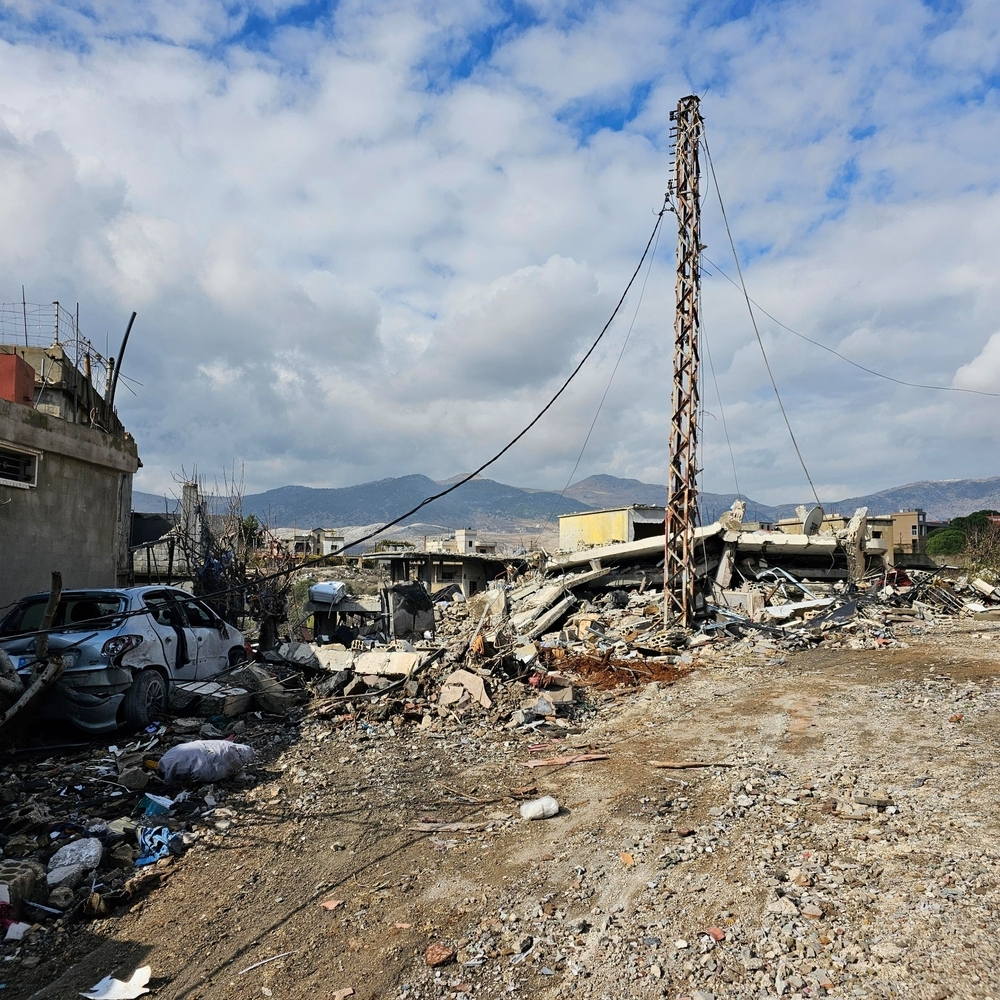
An image of southern Lebanon after the ceasefire was initially signed.
There has yet to be any identification of any of the casualties today, though the IDF has posthumously promoted a person killed in yesterday’s strikes, declaring him to be a senior Hezbollah commander named Ali al-Hadi Mustafa al-Haqqani.
Haqqani was killed operating heavy machinery in the area of Harouf, which the IDF described as “Hezbollah engineering vehicles” and which they claimed was being used to rehabilitate Hezbollah infrastructure in the area. Once again, no real evidence was offered.
Israel has tended to view any equipment that could be used to repair any damage Israel inflicted during the 2024 war as necessarily a Hezbollah asset, and has repeatedly targeted construction vehicles and other heavy machinery while they are doing things like removing rubble of houses Israel destroyed or clearing farmer fields for them.