In an effort to make the latest Israel-Lebanon ceasefire agreement seem like it was doing something more than the half dozen that came before, there was talk during negotiations of Israel agreeing to “symbolic” withdrawals from small segments of Lebanon as a good faith gesture. It wouldn’t impact the overall occupation, but it’d be something to reference to present the deal as an accomplishment.
That notion ended up in the final deal as so-called “pilot zones” that would be the first ones Israel would withdraw from, with the Lebanese military meant to replace them and immediately crack down on local Hezbollah themselves, to prove to Lebanese people that Israel was leaving, albeit slowly and prove to Israeli hawks that the crackdown would continue even in areas not directly occupied.
Now the IDF seems to be backing away from even that token program, announcing that they are “postponing” the withdrawal from Zawtar and Frun, the two pilot areas in the south, until such a time as they are satisfied with the US “monitoring” system to confirm that the Lebanese Army crackdown is being carried out in compliance with the “secret annex” to the deal.
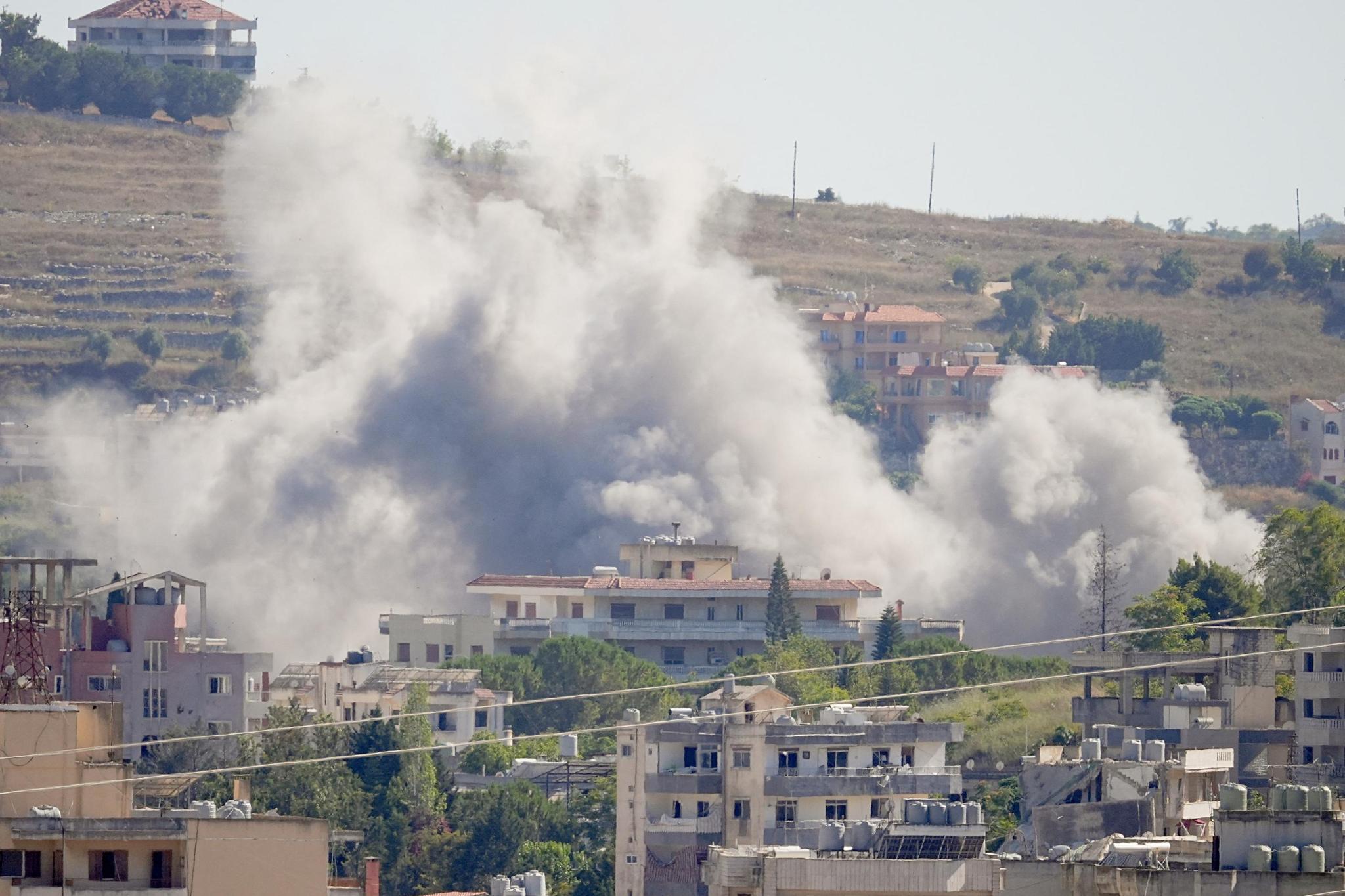
Smoke billows from southern Lebanon following an Israeli strike, as seen from Nabatieh, southern Lebanon, June 19, 2026. REUTERS/Stringer
How long that’s going to take remains to be seen, and Israeli officials are saying there are “no timetables” at all for any of this to get done, leaving open the question whether even symbolic drawdowns will ever come to pass.
Indeed, between the occupation of the south of Lebanon, the ongoing destruction of Shi’ite villages in southern Lebanon, and the continued Israeli strikes on Lebanese territory, this deal appears to be again a deal that comes and goes, while the situation on the ground remains functionally unchanged.
The Lebanese Health Ministry has issued an updated casualty figure from the ongoing war, putting the death toll at 4,297 with 12,196 wounded since the Israeli invasion began in early March. This toll has continued to rise despite ceasefires being announced on a fairly regular basis since mid-April.