Iranian media reported on Thursday that Tehran has approved the transit of a “number” of Chinese vessels through the Strait of Hormuz, as President Trump is in Beijing for talks with Chinese President Xi Jinping.
“Following requests by the Chinese foreign minister and the country’s ambassador to Iran, facilitation of the passage of Chinese ships was pursued based on the deep relations and the strategic partnership between Tehran and Beijing, and it was decided that a number of Chinese ships requested by the country would transit this waterway after reaching an understanding about the Iranian management protocols of the strait, and this passage began Wednesday night,” Iran’s Mehr news agency reported.
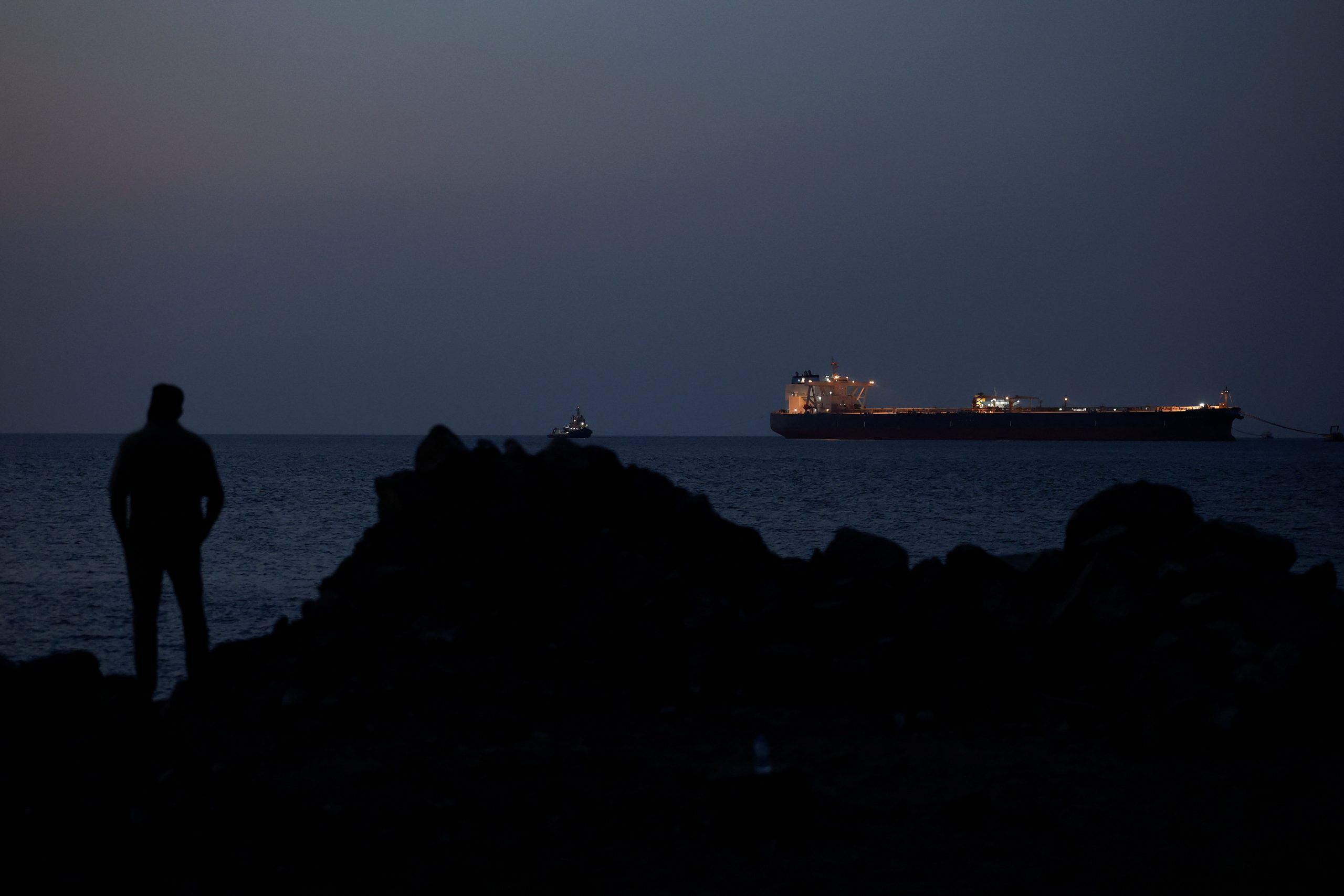
Iran’s Islamic Revolutionary Guard Corps also announced the approval of the Chinese transit and added that any vessels linked to “an enemy state” will continue to be blocked. It’s unclear if China is paying a toll or a fee to Iran for the ships to travel through the strait. The US has claimed that Beijing agreed there should be no toll, but Chinese officials haven’t publicly confirmed that.
The White House said in a statement on the talks between Trump and Xi that the two leaders agreed “that the Strait of Hormuz must remain open to support the free flow of energy” and that Xi “also made clear China’s opposition to the militarization of the Strait and any effort to charge a toll for its use.”
The Chinese side did not mention Iran or the Strait of Hormuz in its readout of the meeting. China is the main buyer of Iranian oil, which is under heavy US sanctions, and ahead of Trump’s visit to Beijing, China ordered companies in the country to ignore US sanctions on Chinese oil refineries with links to Tehran.
One result of the US-Israeli war against Iran and the closure of the Strait of Hormuz has been an increase in US oil and natural gas exports to Asia, and the White House also claimed that Xi “expressed interest in purchasing more American oil to reduce China’s dependence on the Strait in the future.”
Trump also claimed after the meeting that Xi had committed to not providing Iran with military equipment. “[Xi] said he’s not going to give military equipment. That’s a big statement. He said that today,” Trump told Fox News after the talks.