While the ceasefire that was extended last week in Lebanon continues to inexplicably be presented as “holding,” Israeli Prime Minister Benjamin Netanyahu ordered substantial escalation in the Israeli military action in Lebanon’s south, and the amount of strikes seems to be growing substantially over the weekend.
At least 14 people have been confirmed killed over the weekend in Israeli strikes, and at least 37 others wounded. While Israel had largely confined its military operations during the “ceasefire” to the area south of the newly established Yellow Line, Israel Sunday began ordering evacuations of seven municipalities north of the Litani River, and already those areas are coming under Israeli attack.
The casualties continue to include Israel attacking seemingly anybody who is on a vehicle anywhere south of the Litani, but also include a number of people wounded in Israeli airstrikes on a cafe in Kfar Tebnit and general attacks on what it purports to be “Hezbollah infrastructure.”
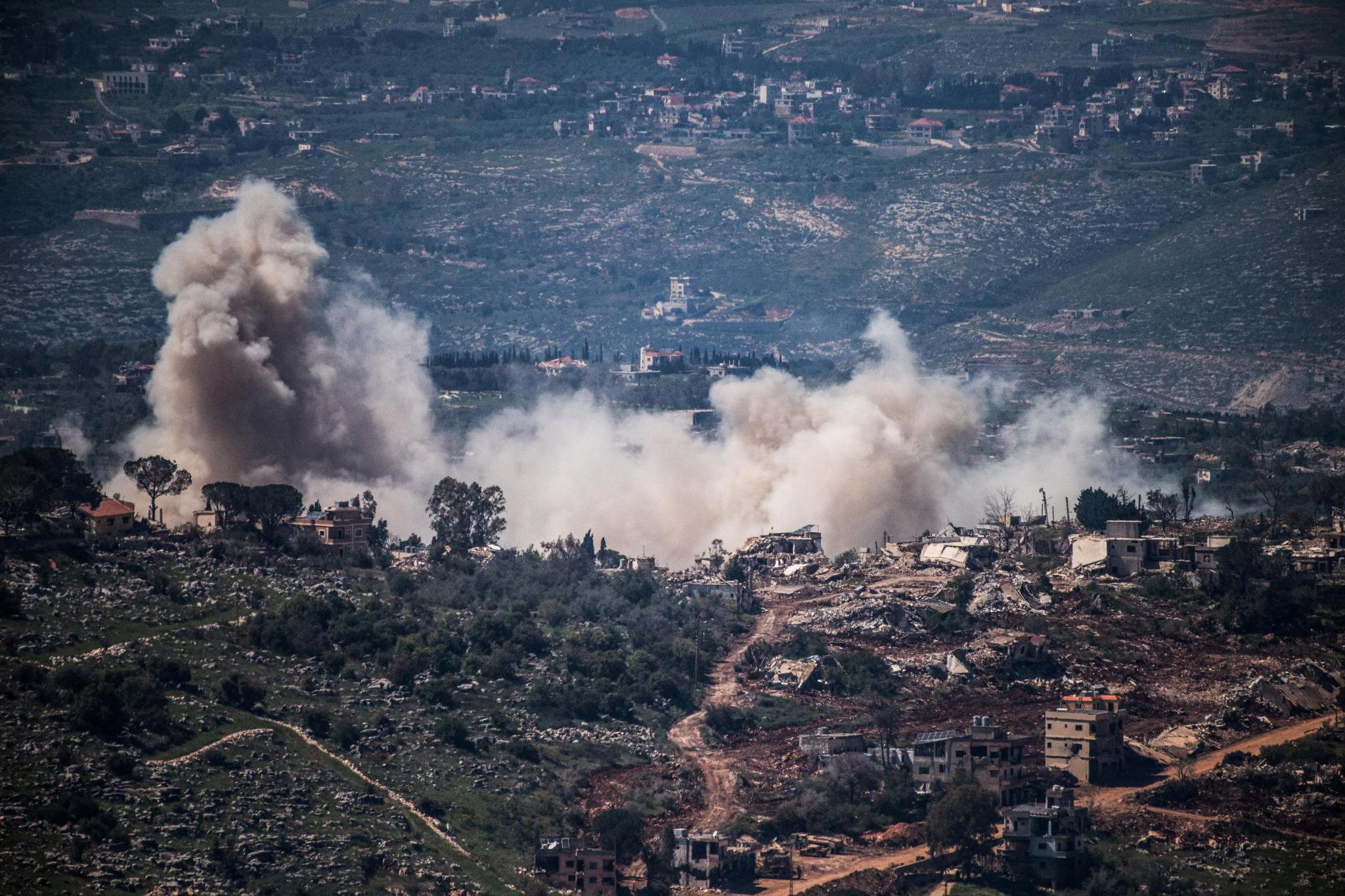
Smoke rises from a village in southern Lebanon as the Israeli army operates in it as seen from the Israeli side of the border, April 23, 2026 REUTERS/Gil Eliyahu
Netanyahu insisted, of course, that this was because Hezbollah was trying to undermine the ceasefire with violations, while Hezbollah presented their own rocket fire against northern Israel as retaliation for Israeli violations of the ceasefire.
At most this has led some media to conclude the ceasefire is “under strain,” though a more accurate description, at least for the people still living south of the Yellow Line, would be to say it is functionally non-existent.
The ceasefire was announced on April 16, and extended on April 23, both announcements being book-ended by strikes. The deal is nominally between the Israeli and Lebanese governments, and Hezbollah was neither present at the talks nor a party to either ceasefire. Hezbollah objected to the ceasefire as well since it didn’t include Israel withdrawing from Lebanese territory, and insisted that resisting the occupation would continue.
The end result is continued fighting, and more and more people being displaced in southern Lebanon, and being warned not to attempt to return home during the ceasefire. Already an estimated 20% of Lebanon’s population has been displaced by the latest war, and with new evacuation orders being issued, that number is likely to grow, further complicating an already disastrous situation.