Well-connected members of the Lebanese parliament have warned that Friday’s trilateral peace deal meant to end the ongoing Israeli invasion of southern Lebanon will not end up being implemented, with Speaker Nabih Berri saying the deal would risk fueling internal division.
Druze politician Walid Jumblatt went further, saying that not only had the officials who negotiated the deal violated the 1949 Armistice Agreement, but that it amounted to a deal that was “trilateral in form but unilateral in substance.”
The deal has fueled protests over the lack of requirements for Israel to either withdraw from Lebanon or stop attacking Lebanese soil. Israeli PM Benjamin Netanyahu said that Israel was allowed to stay as long as they wanted.
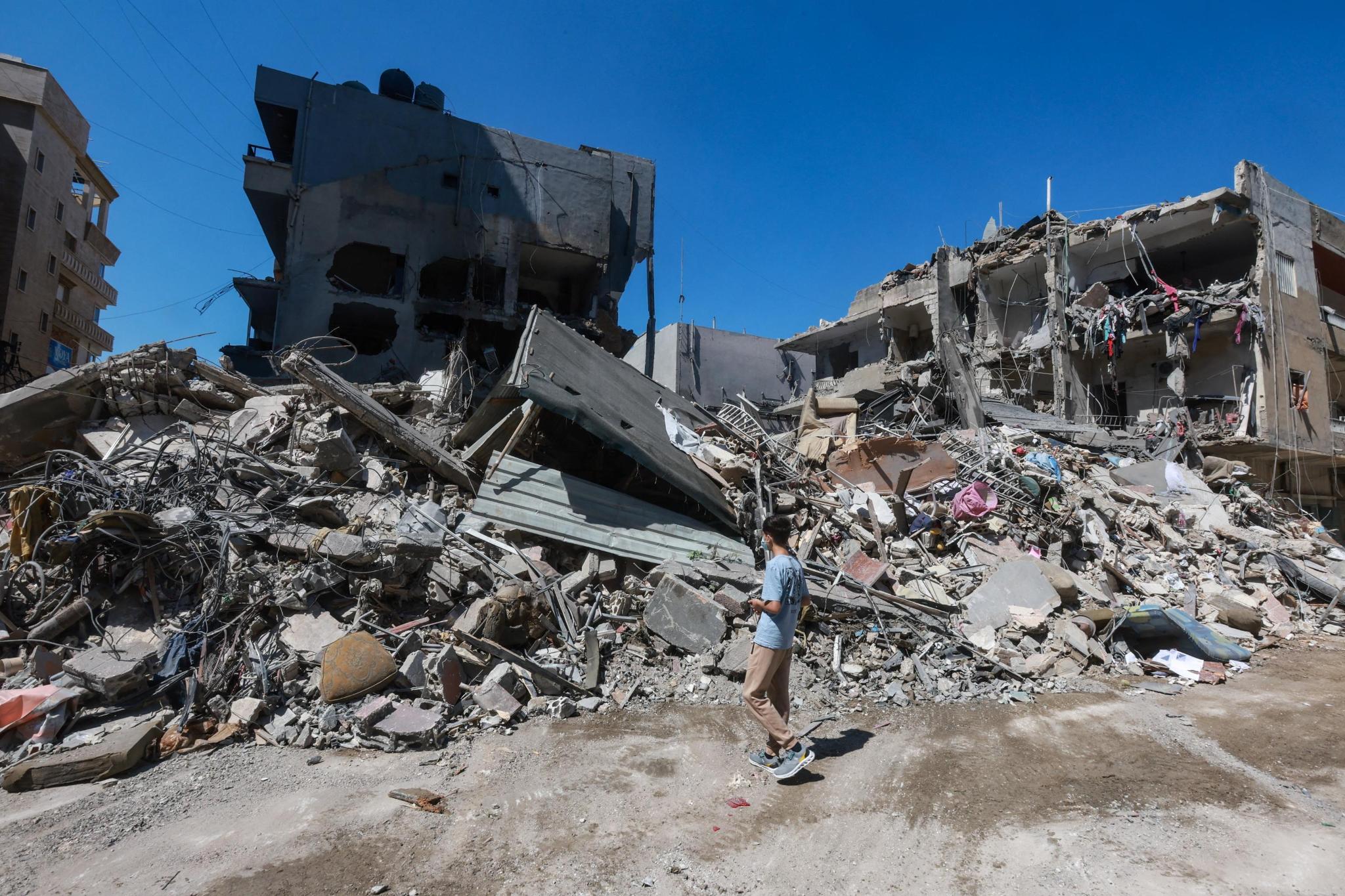
A boy inspects the damage at the site of an overnight Israeli strike in the southern city of Tyre, Lebanon, May 23, 2026. REUTERS/Aziz Taher
Israel continues to attack southern Lebanon since the deal was reached, with substantial attacks reported in Tyre on Monday, and the IDF claiming it had destroyed a substantial Hezbollah tunnel system in Nabatieh on Sunday.
The death toll has continued to rise since the latest ceasefire deal was reached as well, underscoring how little consequence it actually has. The Lebanese Health Ministry now reports that Israel has killed 4,247 people and wounded 12,195 others since the beginning on March, when Israel launched the invasion concurrent with their war against Iran.
Meanwhile, the reports of yet another ceasefire have led a number of displaced Lebanese to try to return home, though many are finding their homes have been damaged or outright destroyed in the interim, and they have nothing to return to. 1.2 to 1.4 million people have been displaced by the war, which is roughly 20% of the entire population of Lebanon. Israeli officials have maintained that many will not be allowed to return in general.