Israel continued with its attacks on Lebanon today, following by far the single deadliest day in the war on Wednesday, in which at least 254 people were killed and well over 1,100 others were wounded. Lebanon has declared a national day of mourning today, as they continue to search for survivors in the rubble.
Recovering potential survivors from yesterday’s attacks are greatly complicated by the fact that the attacks aren’t over, with multiple Israeli strikes reported today, particular across southern Lebanon where a number of additional people have been killed.
The largest attack so far was reported in Zrariyeh, where an attack on a residential building killed at least 10 people, including women and children. An attack on Abbassieh killed at least seven more civilians and wounded a number of others.
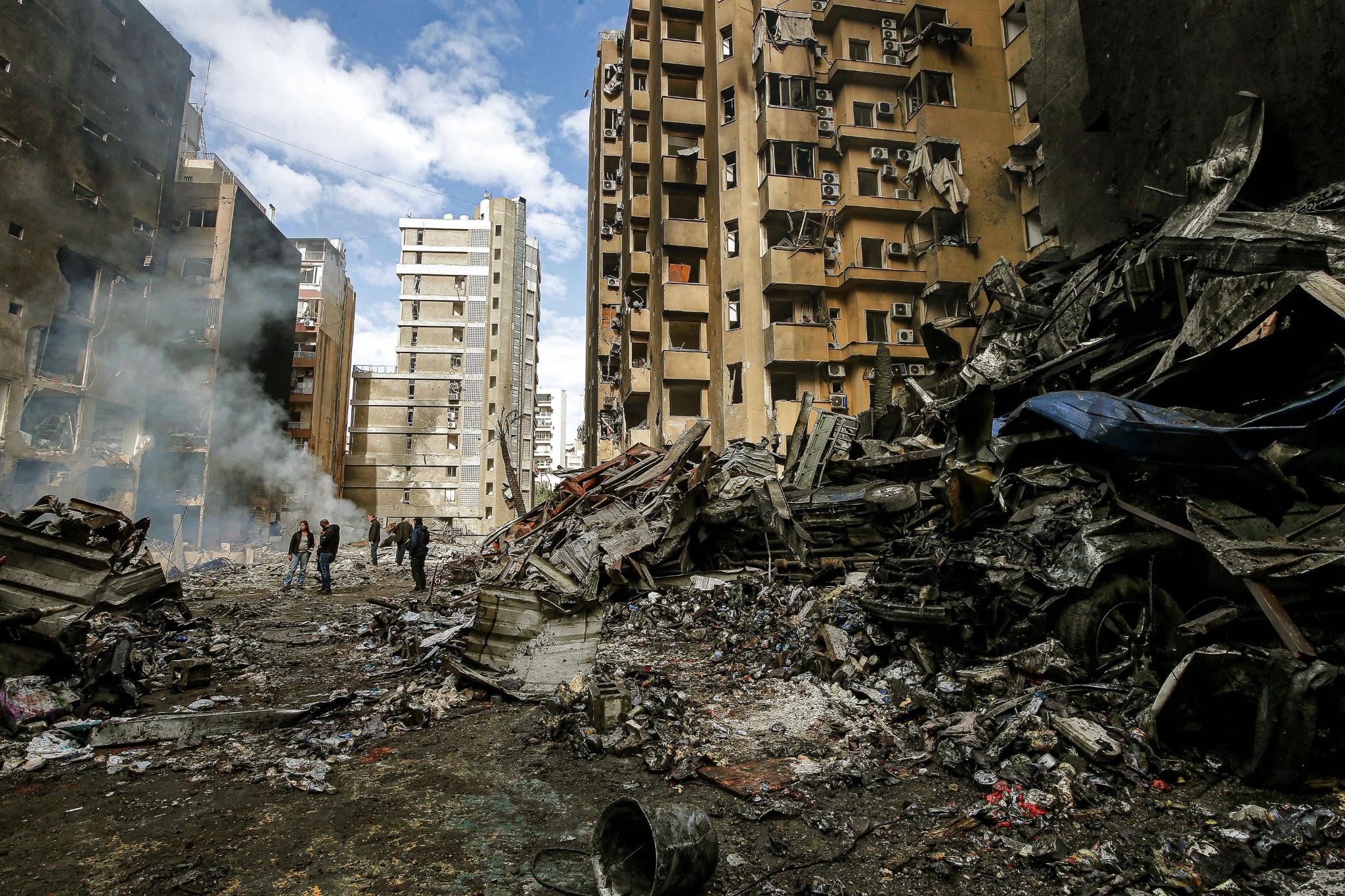
People inspect the damage cause by Israeli strikes on Beirut on April 9, 2026 (Marwan Naamani/dpa via Reuters Connect)
Other Israeli airstrikes were reported in Kafra, Jmaijmeh, Safad al-Battikh, Majdal Selm, Deir Antar, and artillery strikes were reported against Haris. Exact casualty figures on those strikes are yet to be confirmed.
Since Lebanon was widely reported to be part of the Tuesday evening ceasefire, the massive amount of killing therein has raised substantial doubts about the ceasefire’s continuance, though Israeli officials insist that Lebanon was never intended to be included, and US officials suggested that, massacres aside, Israel was actually acting with restraint in Lebanon. The harm to the ceasefire was palpable enough, however, that there was actually speculation that Israel launched the attacks specifically to undermine the deal.
Overnight, Israeli officials claimed that one of Wednesday’s strikes had killed Hezbollah’s leader Naim Qassem, though officials later conceded he wasn’t actually killed and potentially wasn’t even targeted, and the slain person was actually Qassem’s nephew, Ali Yusuf Harshi who subsequently was reported as a significant and important figure within Hezbollah. Hezbollah has yet to confirm such a killing.
Israeli Prime Minister Benjamin Netanyahu, for his part, is now reporting that he has authorized “direct talks” with the Lebanese government aimed at ending the war. He did, however, suggest that Israel would continue to strike Hezbollah “with force, precision and determination,” so this deal seems broadly the same as the November 2024 ceasefire, nominally meant to end the conflict but in practice seeing Israel continue to attack with impunity.
Lebanese officials have been calling for peace talks effectively since the Israeli invasion began in early March, though previously Israel had rejected the idea. That Israel is open to talks now, however, may or may not imply an openness to not attacking Lebanon.