Ongoing wars and occupations have left many in Lebanon in an increasingly precarious situation. Officials have reported that some 22.5% of all of Lebanon’s farmland has been damaged or burned over the course of the war, and that’s creating shortfalls in food supplies.
The UN warned today that over a million people in Lebanon are facing “acute food insecurity,” and that the number is expected to grow to 1.15 million people by next year, as rising prices and economic woes compound with agricultural harm to make food increasingly unaffordable.
Southern Lebanon has been the focus of repeated invasions and occupations by Israeli forces in recent years, but that region is also heavily centered on agriculture. The military actions have damaged land, burnt olive groves, and chased the workers away. Even in areas where the land is workable, traveling from the village to the farm is often perilous, and Israeli occupation forces restrict civilian movement.
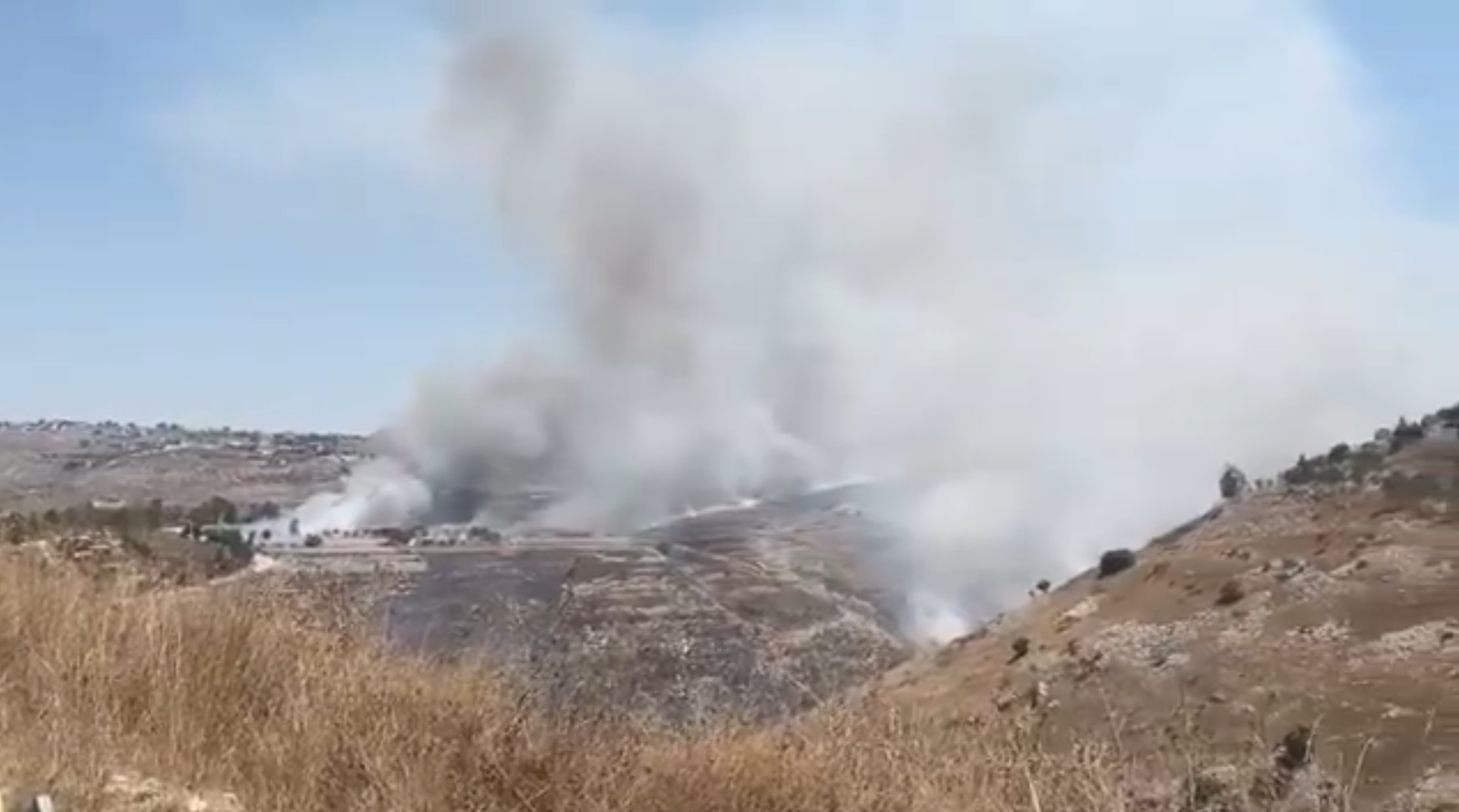
South Lebanese farmland burns after hit with incendiaries | image from X
Lebanon’s Agriculture Ministry announced a new plan today intended to compensate farmers for the damages caused by the war. The initial budget of this was $7 million, however, and even with the World Bank’s $40 million planned contribution it’s likely a drop in the bucket for what it would cost to restore Lebanon’s farmland to pre-war productivity.
And even that won’t be possible until the occupation actually ends. Israeli Defense Minister Israel Katz has presented the region they’re currently occupying as a “permanent security zone,” so there’s no timeline or even an obvious intent for Israel to ever leave.
Lebanon was already having serious economic problems before the latest round of wars, but it left the population at large even more vulnerable when the costs of basic goods like food start surging. Combine that with a lot of the country’s farmland suddenly being inaccessible, and it’s unsurprising that food is in short supply, more expensive, and that a growing number of people are less able to pay those costs.