Russia and North Korea have opened the first road bridge across their small shared border as the two countries continue deepening relations, a result of the war in Ukraine and Russia’s isolation from the US and its allies.
Russian Prime Minister Mikhail Mishustin said he believes the new road bridge, which crosses the Tumen River and connects the Russian city of Khasan with the North Korean city of Rason, will lead to more economic cooperation between the two nations.
“This is the first direct road link that will bind Russia and the DPRK even closer and provide excellent opportunities to boost trade and economic cooperation, primarily for Russia’s Far Eastern regions,” Mishustin said, according to Russia’s TASS news agency.
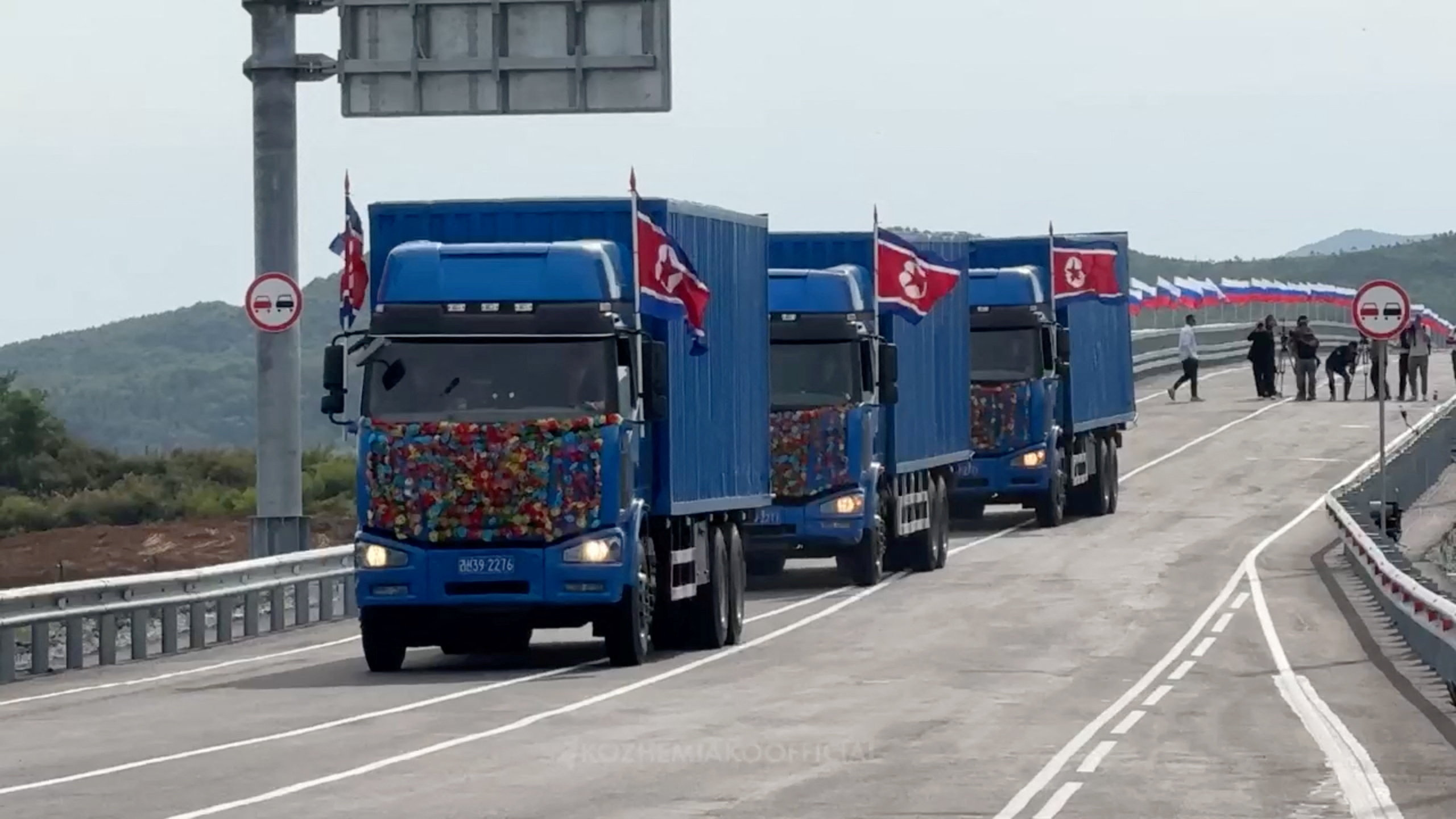
North Korean Prime Minister Pak Thae Song said in a statement on the bridge that Moscow and Pyongyang will “strive for further practical results in cooperation, which fulfills the hopes and aspirations of the peoples of both countries as they seek shared development and prosperity.”
North Korea and Russia’s growing relationship has involved strengthening military ties, most notably the 2024 treaty that includes a mutual defense component and led to North Korea deploying troops to Russia’s Kursk Oblast to help repel invading Ukrainian troops.
President Trump has said recently that he seeks a summit with North Korean Supreme Leader Kim Jon Un, whom he met with multiple times during his first term. But Pyongyang’s growing ties with Moscow mean North Korea is less isolated than it was during Trump’s first term, which could factor into whether it’s willing to pursue diplomacy with the US if its military posture and overall policy in the region don’t change.