High-profile protests over the Israel-Lebanon framework agreement reached late last month were initially dismissed by officials as primarily Hezbollah playing a spoiler, but substantial political opposition continues over what is being termed an “unenforceable” and potentially unconstitutional agreement.
Hezbollah leader Naim Qassem is now predicting that framework agreement will totally fail to get parliamentary support, saying he believes not a single clause of the deal will actually pass. He added that the deal lacks national legitimacy and only serves the interest of the ongoing Israeli occupation.
At odds are primarily the lack of calls for Israel to stop attacking Lebanon, and the lack of a timetable for Israel to withdraw from Lebanon, or indeed any provision that suggests such a withdrawal has to ever occur.
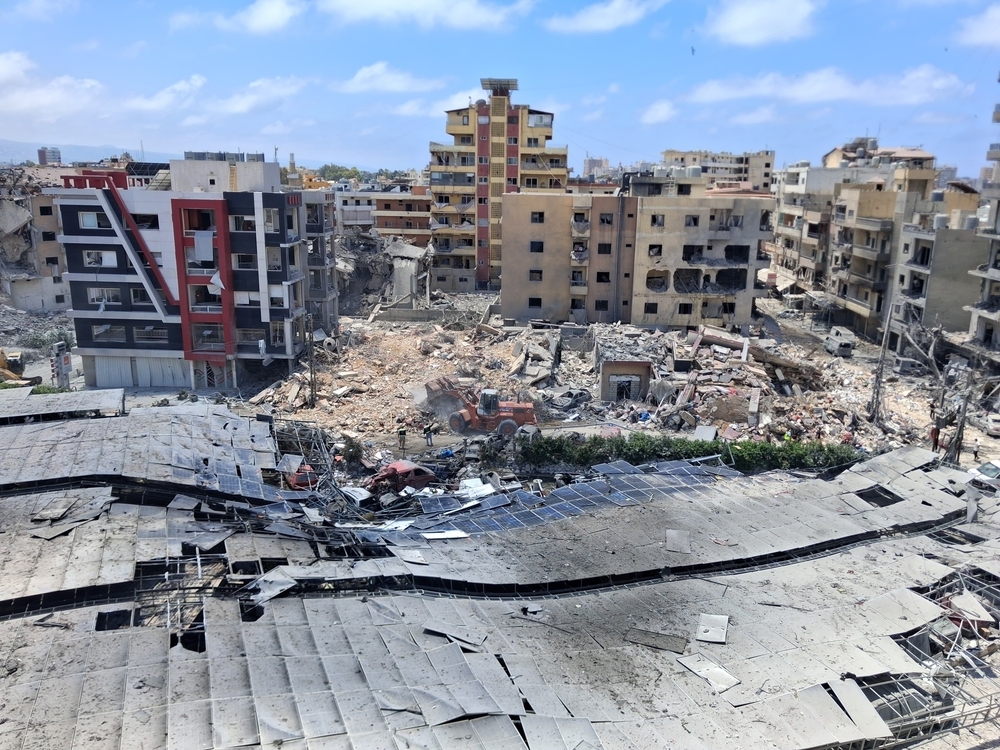
View of the damage at Jabal Amel Hospital following an Israeli strike carried out on 1 June in Tyre, southern Lebanon | ©MSF
Many see it as a de facto surrender, formalizing the ongoing Israeli occupation and war, and that Israeli premier Benjamin Netanyahu defended the deal on the grounds it allowed Israel to stay in Lebanon as long as they wanted isn’t helping matters.
The terms generally shied away from using the term “withdraw” with respect to Israeli troops entirely, only talking of “redeployments,” which some are interpreting as Israeli troops simply shuffling around within the occupied south. Even those don’t come with any timetables.
Combined with the persistent reports of “secret clauses” in the deal that the government hasn’t disclosed to the public, it’s safe to say the deal has an uphill battle within Lebanon, and is just the latest of several deals that fail to do anything about the ongoing war.