As Israeli forces launch new ground offensives further northern into southern Lebanon, the IDF has also issued a flurry of evacuation notices in the already occupied southern areas, and the ensuing airstrikes against those areas left at least 31 killed and 40 others wounded, according to the Lebanese Health Ministry.
The largest of the strikes was in the area of Burj al-Shamali, near the city of Tyre. Israeli strikes there killed at least 14 people, including three women and four children. Additional strikes were reported in Kawthariyat al-Riz, Habbush and Maarakeh. The hospital in Nabatieh city was also reportedly targeted in the course of the strikes. Significant damage was reported to the hospital though no casualties have been reported in that particular strike yet.
Burj al-Shamali was one of the last three towns to have an evacuation order issued on them. Over the course of Tuesday Israel issued evacuation orders for 50 distinct municipalities in southern Lebanon.
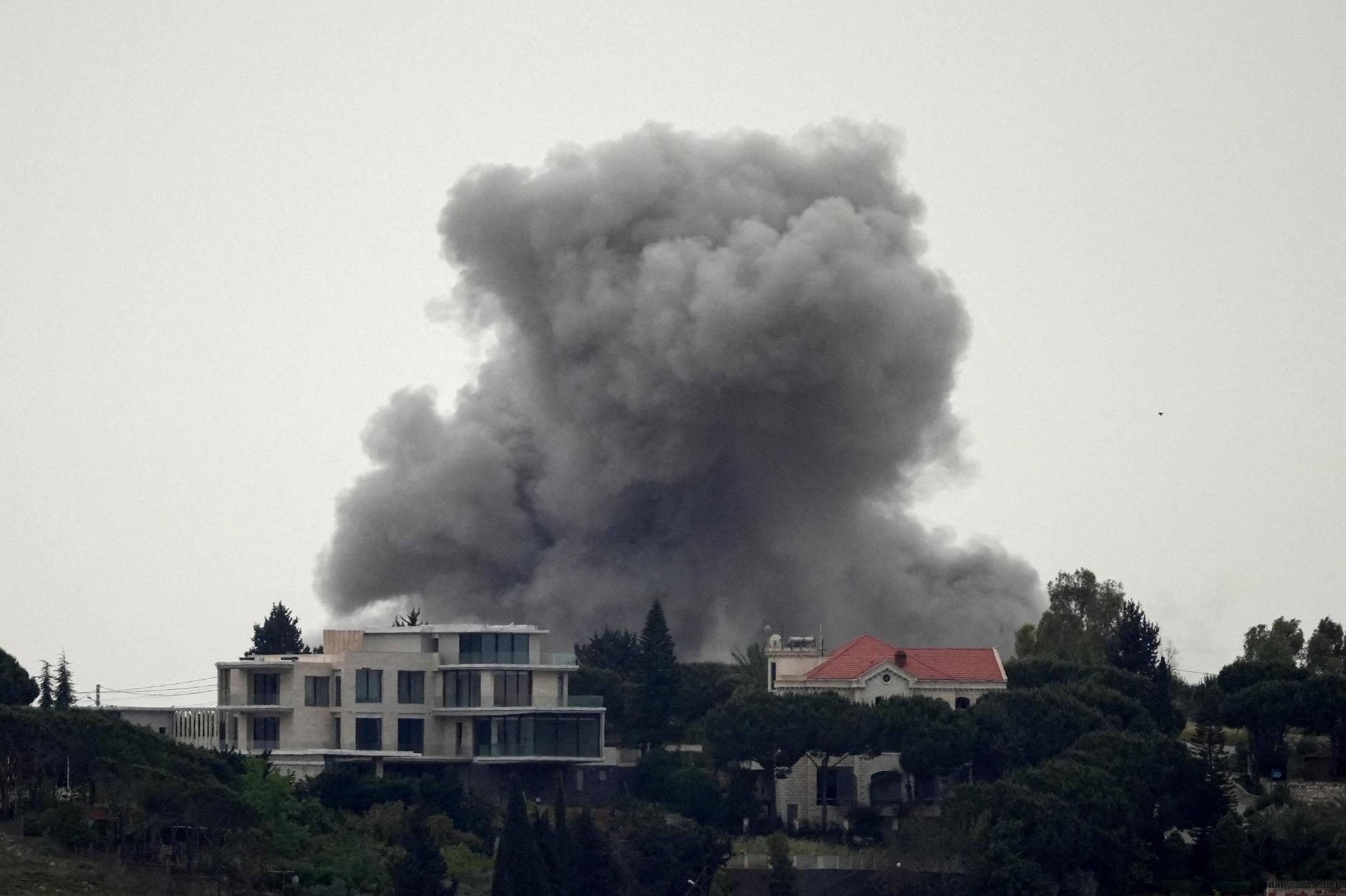
Smoke rises following an Israeli strike in Zebdin, Lebanon May 18, 2026. REUTERS/Stringer
More than 120 airstrikes were reported against southern Lebanon over the course of Tuesday. The strikes were mostly in the southern part of southern Lebanon, while the ground clashes were north of the Litani River.
Hezbollah reported substantial fighting in the area of Zawtar al-Sharqiyah, which overlooks Nabatieh, and was one of the major targets of Israel’s latest offensive beyond the Yellow Line zone. Hezbollah also reported fighting near Yohmor al-Shaqif.
Israel made the Litani River the main boundary for their offensive when they first invaded Lebanon in March, though the Yellow Line extended beyond the river and the offensive has gone beyond the Yellow Line zone further still. Israel destroyed every bridge spanning the Litani River earlier in the war, and has repeatedly issued evacuation orders for areas south of the river, expecting locals to flee northward to uncertain futures.
An estimated 1.2 million Lebanese, roughly 25% of the total population, have been displaced by the conflict. Many people have simply found themselves unable to flee, and are living under an active occupation in the ever-expanding southern zone of operation.