The fighting in South Yemen in early January reflected a big rift between Saudi Arabia and the United Arab Emirates (UAE). While the two nations jointly invaded Yemen a decade and a half ago, they’ve both aligned with different factions, and those factions have been at odds for years.
The UAE-backed separatists and the Saudi-backed self-proclaimed government fought, the Saudis kidnapped a separatist negotiating team, and their leader fled to the UAE. While the Saudis are trying to be upbeat about their “victory” here, they are also reportedly mad at the UAE once again, and keen to remove them entirely from the regional power structure.
The UAE has spent years developing its position in the Red Sea, the Horn of Africa and the Persian Gulf. According to a Washington Post report, the Saudis are increasingly vocal about seeing the UAE as an opponent, warning they won’t hesitate to take steps against anyone they view as threatening Saudi national security.
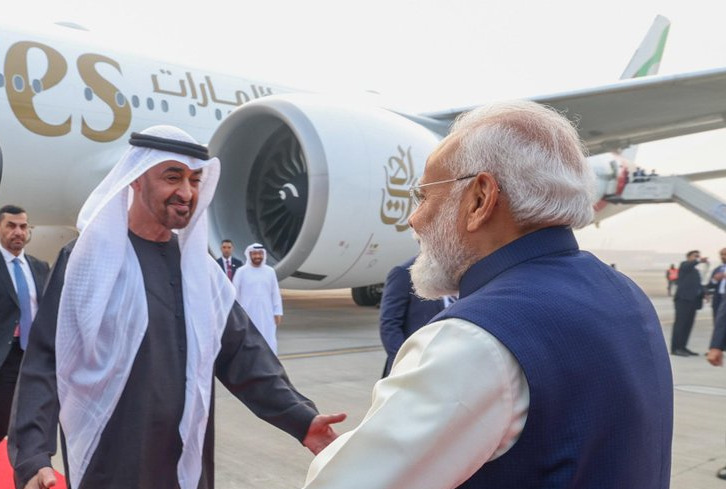
UAE President Mohamed bin Zayed meets Indian PM Narendra Modi | Image from X
The South Yemen situation remains unresolved, and the Saudis are trying to brand the UAE as having run secret torture prisons there, an allegation that the UAE has denied. This difference of views is a lot bigger than South Yemen though, and involves distinct priorities which from east to west, often put the two on different sides in conflicts.
Saudi Arabia’s priority has been stable nation-states in the region, and has generally tried to support unstable governments to try to shore them up, whether it is the would-be government in Yemen or the ever-struggling government in Somalia.
The UAE, by contrast, seems eager to establish a position of power within different areas whether or not it’s with a state actor. This has included fostering ties with Gen. Khalifa Hafter in Libya and the RSF paramilitary in Sudan, and also the breakaway region of Somaliland, even at the expense of ties with the Somali government.
Perhaps the biggest split though has been farther east, where Saudi Arabia is fostering a major defense pact with Turkey and Pakistan, being presented as a Muslim NATO. The UAE has been cut out of that plan, it seems, so instead they’ve been courting increased ties with India, something which will doubtless anger Pakistan.
South Yemen is the first case of a very direct proxy war between Saudi and UAE factions, and while the Saudi attempt to take the UAE-backed STC off the table was a lot less successful than they’ve tried to brand it, it’s unlikely to be the last time the two sides’ allies come into direct conflict, and the Saudis seem increasingly willing to say that they view the UAE as a regional rival, and one they’re willing to act against.