Information on the strikes comes from the Yemen Data Project
2025 marked the deadliest year in awhile for Yemen, with heavy air campaigns from the US and UK, along with high casualties strikes from Israel being joined by Saudi Arabia in December, which hadn’t carried out its own strikes against Yemen since 2022, then started a large campaign at the end of December in the south and east.
The late December Saudi strikes centered on the city of al-Mukalla, and were the start of a move to try to eliminate the STC, the southern separatist movement in Yemen. This continued into January, and is starting to set the stage for a challenging 2026 for Yemen.
2025’s airstrikes led to 1,336 civilian casualties, a massive increase from the 297 caused in 2024. More than half of those casualties were from US strikes, while Israel only carried out about 10% of the strikes but caused around 47% of the civilian casualties.
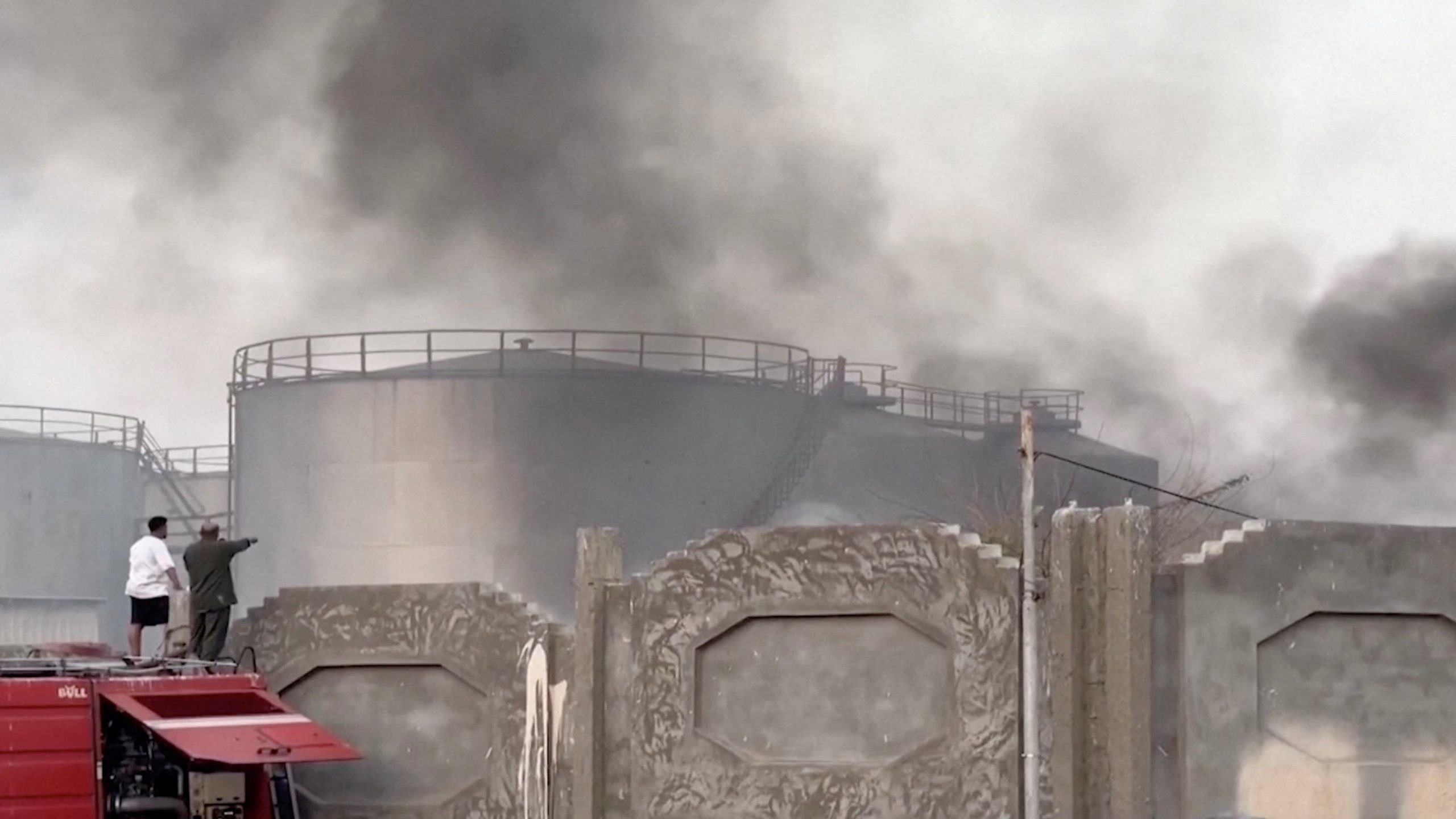
A person gestures towards smoke rising in the aftermath of a Saudi-led coalition airstrike, which targeted what it described as foreign military support to UAE-backed southern separatists, in Yemen’s southern port of Mukalla, in this screengrab from a handout video obtained by Reuters on December 30, 2025. Aden al-Mustakillah TV/Handout via REUTERS THIS IMAGE HAS BEEN SUPPLIED BY A THIRD PARTY. Verification lines: Storage tanks, warehouses and trees matched satellite images and corroborating footages. Date verified by official and media reports.
2026 looks like it may be defined less by external attacks than by internal concerns, particularly the persistent food shortages running up against slashed humanitarian aid budgets, which are leading the UN and aid groups to warn that pockets of the country could quickly fall from food insecurity to outright famine.
Yemen has struggled with food access since the Saudi invasion well over a decade ago. The nation doesn’t produce nearly enough food to feed the population, and historically would have to import much of its food from abroad. During the war, Yemeni ports have repeatedly come under attack, particularly in the north, severely limiting the ability to bring in food.
While the international community has managed, so far, to keep the Yemenis from starving to death during this siege, massive budget shortfalls from the UN and a growing percentage of the Yemeni population relying on food aid is going to make 2026 much more difficult. That is going to add to the strain in a situation that has long been unstable at any rate.
In South Yemen, that’s likely to mean further pushes for outright secession, as despite Saudi claims, the STC very much is still an active force in the south, one that in recent weeks has attracted multiple massive demonstrations in Aden in support of them.
Pro-Saudi Yemeni factions are trying to present the STC as eliminated, because that’s the Saudi position, and are also trying to portray the UAE as having used the separatists to abuse locals. In practice, however, the situation remains unresolved, and internal unrest in South Yemen over its future will likely also be a defining aspect of 2026, as it, like food scarcity, is yet another thing that this protracted war has never resolved.