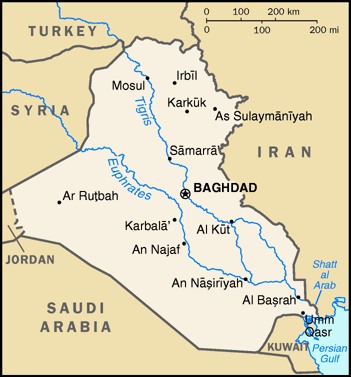
Protests have broken out across the entire nation of Iraq today, with public rallies across the southern Shi’ite portions of the country as well as in the far north, in Iraqi Kurdistan. Everywhere the message is the same.
 “We’re living in miserable conditions, no electricity, dirty, muddy streets. We have to make changes. We should not remain silent.” This was the message of one of the protesters, and indeed the message of most of them.
Though officials initially doubted that public rallies would emerge in Iraq (ironically because it is “too violent” in the streets), Iraq appears to have the same sort of full on call for the ouster of the existing regime and reforms toward freedom that is gripping so many in the region.
Prime Minister Nouri al-Maliki even had to cancel his planned visit to Kut, citing the growing protests in the city. Kut saw a violent crackdown earlier this week, which led, predictably, to even bigger protests. The tried and true method of shooting protesters, it seems, isn’t working any better in Iraq than it is anywhere else these days.