Mohsen Rezaei, the head of Iran’s Supreme National Security Council, has said that Iranian forces could strike “distant American bases” in the event of a renewed US bombing campaign against Iran.
“If the Americans make a mistake and attack us, we will not content ourselves with targeting nearby bases, but will strike all nearby bases, and we will also target distant American bases,” the Iranian security chief told Al Mayadeen.
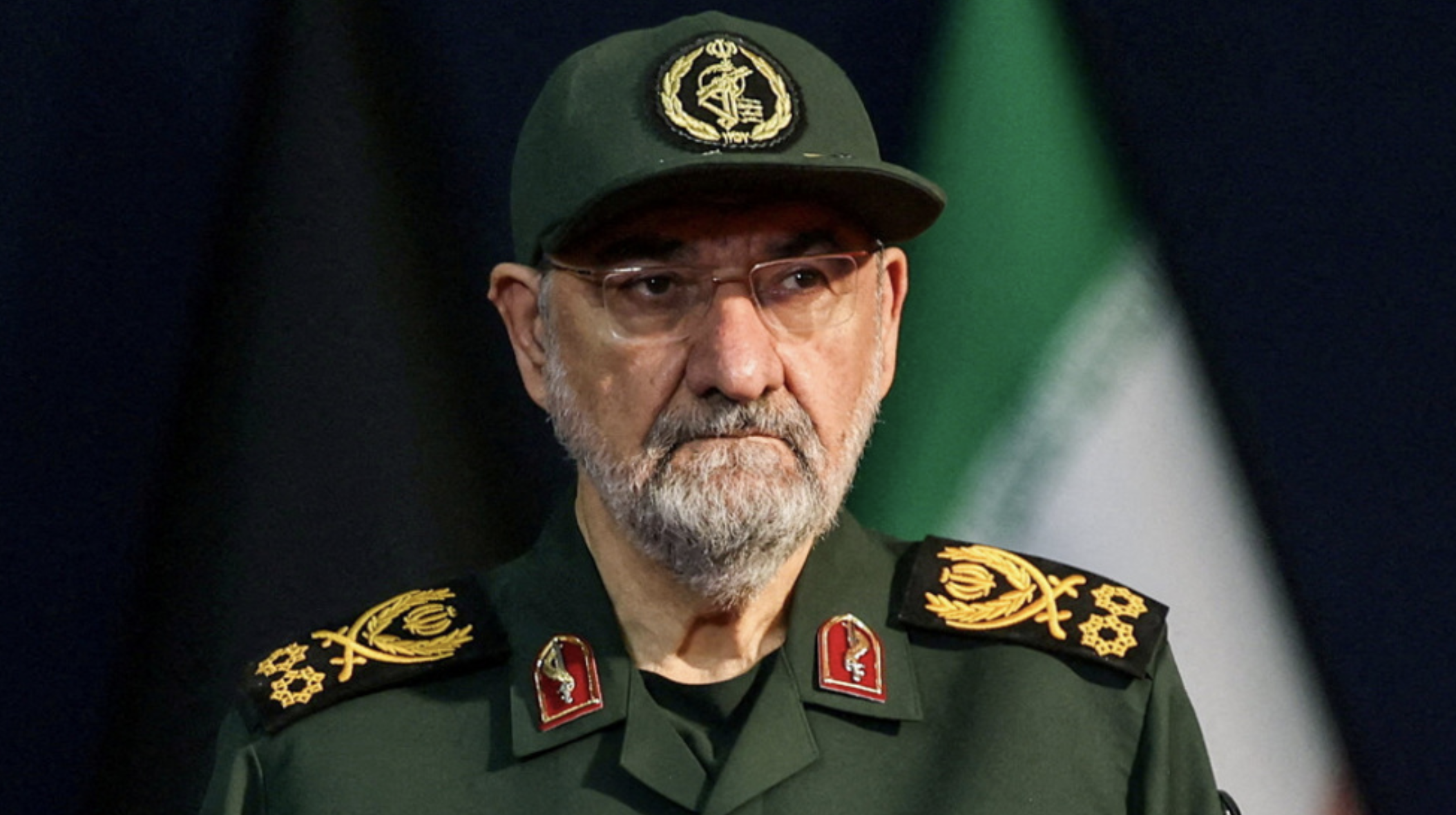
Rezaei said the Iranian retaliatory attacks could include strikes on US bases in Europe. “If American aircraft take off from an American military base, even one located in a European country or some other distant region, to bomb Iran, we will strike those bases as well,” he said.
The full range of Iran’s ballistic missile capability is unknown, though the Islamic Revolutionary Guard Corps (IRGC) recently announced that it has lifted a self-imposed limit of 2,000 kilometers, or about 1,200 miles. Missiles at the 2,000-kilometer range could potentially hit US military facilities in Bulgaria and Greece, depending on where they are launched in Iran.
Rezaei said that Iran’s capabilities have improved since the start of the war and warned that Iran “may even strike certain islands that they assume are beyond the reach of our missiles.”
In the same interview, Rezaei denied that talks were taking place between the US and Iran and maintained that Washington must meet Tehran’s seven conditions to reach a deal, something that still appears very unlikely. US Secretary of State Marco Rubio has rejected Iran’s demands as “absurd.”
Much of what Tehran is asking for is commitments the US made under the US-Iran Memorandum of Understanding that was signed in June, known as the Islamabad MoU.
“In Islamabad, despite our reaching an agreement and both sides signing it, the Americans reneged on their signature. It is rare in history for a head of state to sign an agreement, then tear it up and abandon it after less than a month,” Rezaei said.