Senate Democrats have taken the unusual step of issuing a letter to Secretary of Defense Pete Hegseth, seeking a full accounting from him and the Pentagon for the bare minimum that the ongoing war in Iran is going to cost.
The letter (PDF) was spearheaded by Sen. Elissa Slotkin (D – MI) and cites the $67 billion supplemental funding request made by the administration for war funding at the end of June. Every Democratic Party senator, with the exclusion only of Sen. John Fetterman (D – PA), signed onto the letter. Sen. Fetterman said he remains a supporter of anything that confronts “the Iranian regime and its proxies.”
The letter doesn’t express opposition to the war itself, but rather seeks to establish what it’s ultimately going to cost, noting that the Pentagon has been unusually opaque about what it’s spending and expects to spend going forward on the full conflict compared to how past conflicts have been handled.
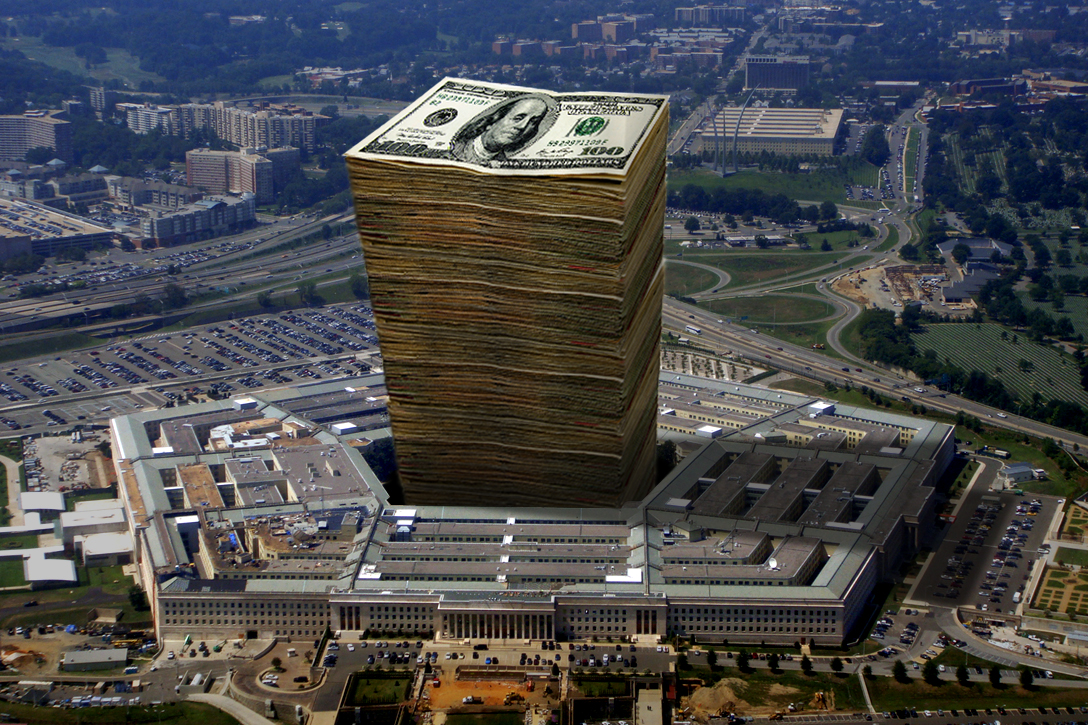
The letter noted a recent Pentagon estimate of $42 billion, but also notes that things like the damage done to US facilities across the Middle East have explicitly been excluded from any official estimates so far. At the same time, the Pentagon is seeking more money to pay for the ongoing conflict, beyond the $1.5 trillion it’s requesting for the military budget for the next fiscal year.
The United States attacked Iran in late February, and while President Trump has declared victory countless times in the course of the months that have followed, the conflict shows no sign of ending. The House voted earlier this week to end the conflict, with members of Congress noting the lack of a concrete plan. The lack of a detailed accounting of what the war is costing is only another problem that is both highly consequential and about which relatively little is known.
In comparison, the US war in Iraq was an embarrassment of riches in paperwork sent to Congress, as the Bush Administration at the time engaged in a large number of briefings to Congress, enormously more briefings to the public, and supplement requests that were remarkably detailed and over 100 pages long.
To the extent this administration will even admit the war is ongoing in the first place, the policy seems to be to provide the Senate with the absolute bare minimum of details about what they’re doing, why they’re doing it, and what they’re spending in the process. Not that the Senate isn’t still expected to foot the bill, but that they’d just as soon avoid providing specifics for the increasingly unpopular war.