Late Monday, Israeli ground troops carried out an attack against the southeastern Lebanese town of Baraachit, killing one civilian in the barrage a machine gun fire. Exactly why the attack was carried out has yet to be disclosed by Israeli officials, though the neighborhood has seen a lot of former displaced returning home lately, and reports on the ground were that they believed the gunfire was meant to intimidate the returnees.
Tuesday saw a return to Israel’s focus on destroying southern Lebanon, with artillery fire reported at multiple villages and reports of Israeli troops setting fire to damaged homes in al-Bayada.
While demolition was the focus of the day, Israeli officials also hyped up the possibility of major new clashes with Hezbollah following their weekend demolitions in Ali al-Taher Ridge, with Maj. Gen. Milo announcing a “kill zone” has been established in the area between Israeli-occupied Lebanon and the area they perceive as Hezbollah-controlled, and that IDF policy is to kill literally anyone who enters.
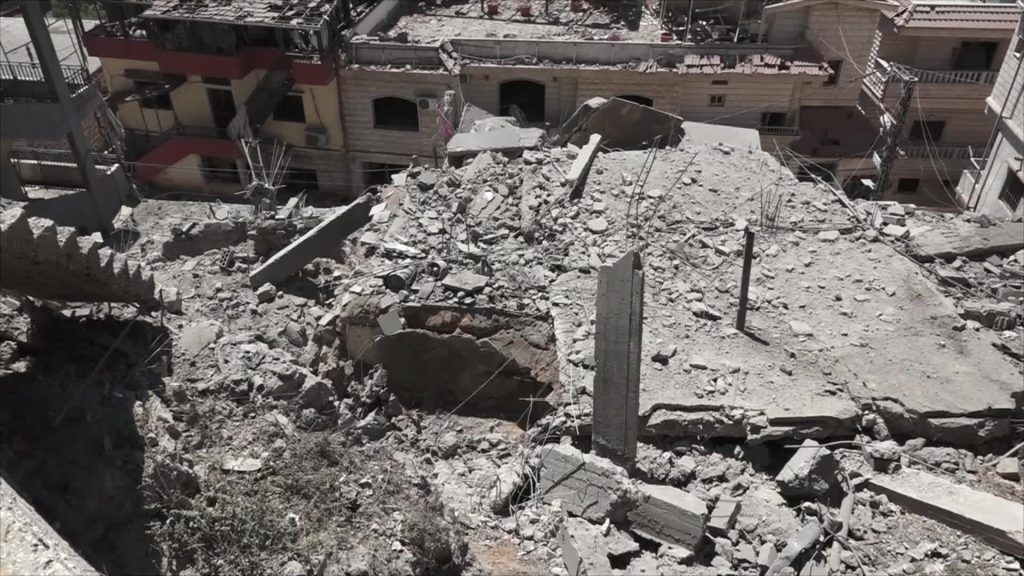
Damage around the residential areas of Mashghara , Lebanon | Image from X
As Israel’s occupied portion of Lebanon continues to grow, IDF leadership is pushing a narrative that a new backlash from Hezbollah is inevitable, and the commanders are arguing for yet more offensives against Hezbollah, saying it would be “dangerous” for them to remain static in the already captured parts of Lebanon.
Hezbollah MPs are suggesting that resistance to the Israeli occupation will continue going forward. Baabda District MP Ali Ammar accused the PM of turning a blind eye to Israeli aggression and insisted that resistance would continue so long as Israel occupied a single inch of Lebanese soil.
Hezbollah MP Ibrahim al-Moussawi, from Baalbek-Hermel, responded to questions regarding the merits of active resistance to the Israelis by saying “You ask what the resistance has done? We ask, “What has the state done to arm the army and defend the land?”
The answer to that of course is comparatively little. Though the Lebanese Army has occupied the “pilot zones” in southern Lebanon that Israel gave them control over as a symbolic gesture last month, the direct interaction between the Lebanese military and the IDF has largely been limited to intermittent Israeli killings of individual soldiers in the course of indiscriminate attacks. Beyond that, the IDF regularly condemns the Lebanese Army for failing to successfully disarm Hezbollah, and accusing them of secretly being in league with them.