The New York Times reported on Tuesday that Iran and Oman are moving forward with a plan for the Strait of Hormuz that would involve collecting fees for ships transiting the waterway, despite the US expressing vehement opposition to the idea.
Sources told the paper that Oman recently delivered a formal proposal to the US and other Western states outlining a plan in which shipping companies would pay service fees to use the strait.
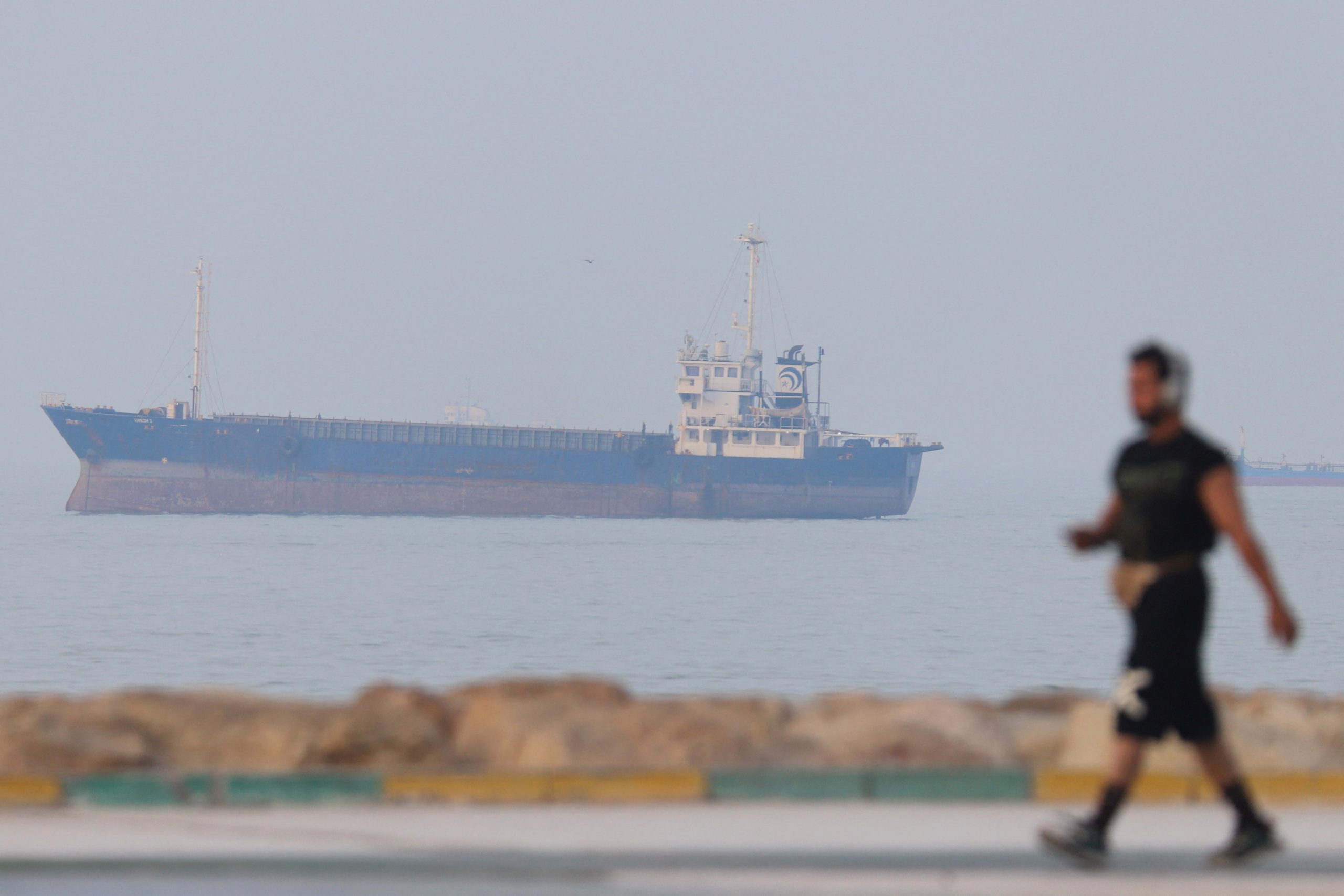
Some of the sources speaking to the Times said the toll would be voluntary, while an Iranian official said it would be obligatory. Omani Foreign Minister Badr bin Hamad Albusaidi said this week that Muscat opposed tolls for transiting the strait but said that fees for “maritime, environmental and navigational services” could be discussed voluntarily.
There’s no sign of Iran backing down on its demand for an arrangement where it collects fees from ships transiting the strait, a consequence of the war President Trump launched with Israel on February 28. Iranian officials have said they want to cooperate with Oman on the issue, but that Iran is willing to move forward on its own if needed.
While the US is strongly opposed to fees, the US-Iran Memorandum of Understanding (MoU) only rules out fees for the first 60 days after it’s signed and doesn’t establish any long-term rules. It states that Iran will “conduct dialogue with the Sultanate of Oman, to define the future administration and maritime services in the Strait of Hormuz.”