Israel’s ceasefires with Lebanon don’t have a great track record, but this weekend’s deal, the latest in a long line, is being touted by Israeli officials as a testament to how great the war has gone for them. Less than two days into the deal, however, strikes are already being reported, and there are deaths on both sides.
Fighting was reported in the area of Deir Seryan, resulting in the death of an Israeli platoon commander with the Golani Brigade. Another IDF soldier was reported lightly wounded in the exchange, and Israel respond later in the day with airstrikes against the same area.
The IDF claimed the strike had killed “multiple” Hezbollah fighters and destroyed a rocket launcher. The details have yet to be independently confirmed as to who was killed in the incident and in what circumstances.
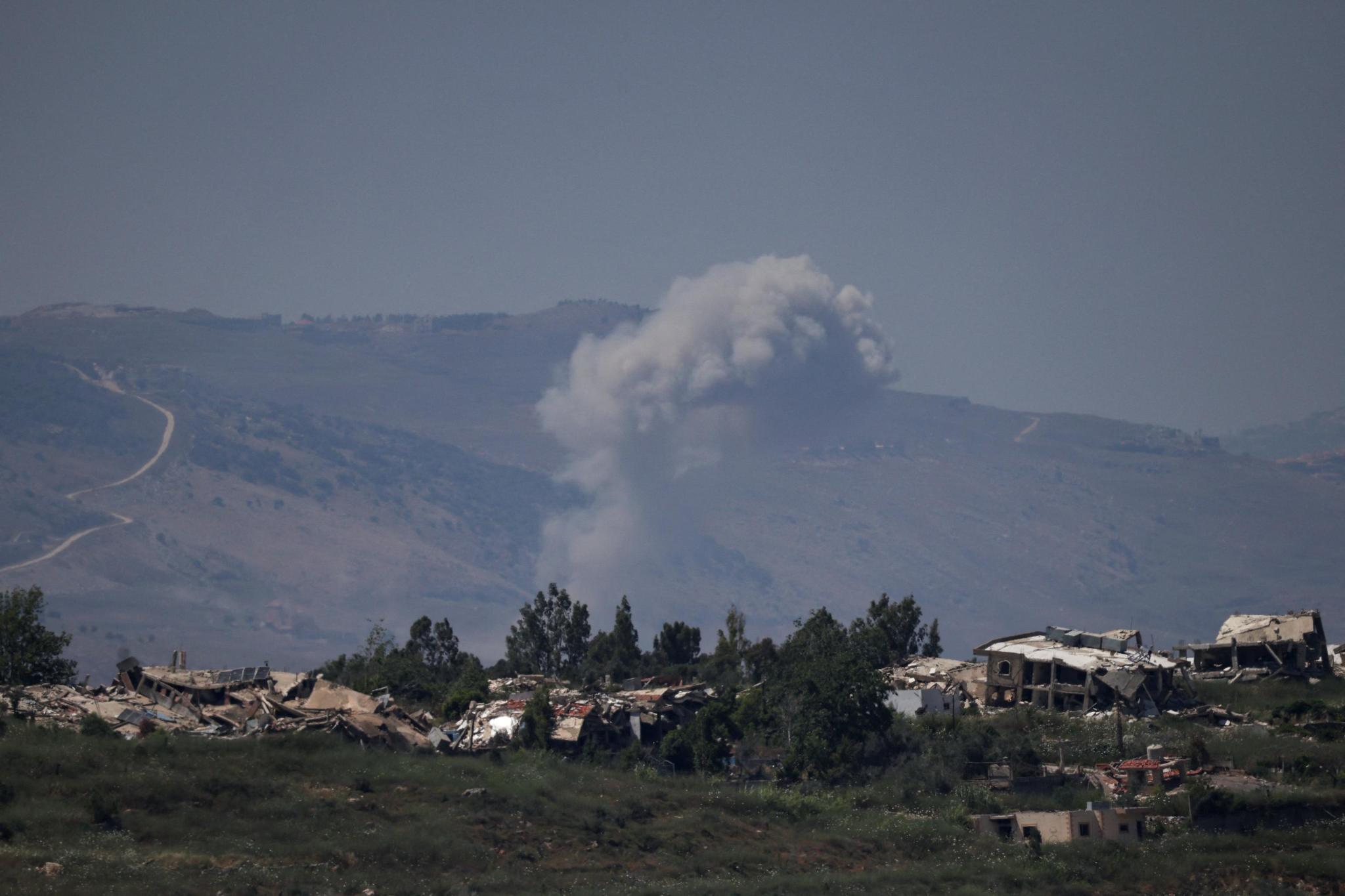
Smoke rises in southern Lebanon, as seen from the Israeli side of the Israel-Lebanon border, in northern Israel, June 17, 2026. REUTERS/Shir Torem
Another Israeli strike was reported Sunday by the Lebanese Health Ministry further north in Nabatieh al-Fawqa. That strike targeted the Farah Amusement Park area, killing one person and wounding two others.
The Israeli military said the operations were entirely “in line” with the ceasefire agreement. That may well be the case, as Israel was keen to ensure that any ceasefire agreement didn’t explicitly require them to cease firing, nor indeed to withdraw from occupied portions of Lebanon.
That is a big part of why so little was expected out of the latest ceasefire, hype notwithstanding. Israel has reached deals with the Lebanese government multiple times, but in all of those cases, Israel’s war continued apace, with ground troops continuing to march northward and hundreds more Lebanese being killed in the constant IDF airstrikes. In the grand scheme of things, these deals are ultimately rarely consequential.