Saudi Arabia has discussed a non-aggression pact with Middle East states and Iran in conversations with its allies about what the region will look like following the end of the US-Israeli war against Iran, the Financial Times has reported.
The report noted that the US’s Gulf Arab allies are worried they will be left with a powerful Iran in the region and a scaled-back US military presence. Satellite images show that many of the US bases across the region have been badly damaged or destroyed by Iranian missile and drone attacks.
The Saudis have floated something similar to the 1975 Helsinki Accords, which were meant to reduce Cold War tensions between the Soviet Union and the US’s allies in Europe.
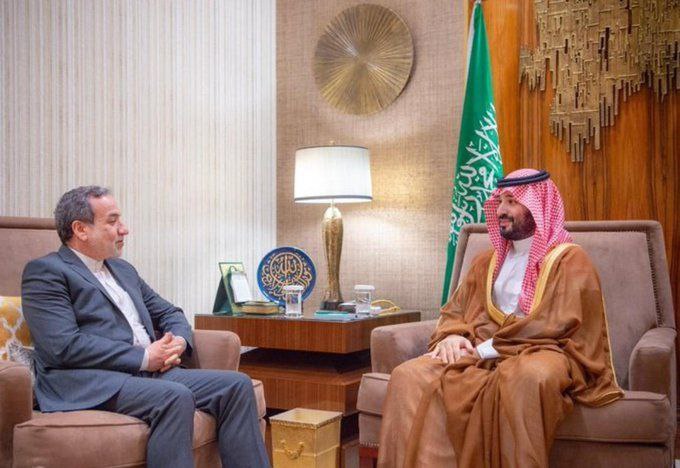
Recent reporting has revealed that both Saudi Arabia and the UAE launched direct strikes against Iran during the US-Israeli bombing campaign, though the two Gulf states appear to be taking a much different approach, as Abu Dhabi has been more openly hawkish while Riyadh appears to want to ease tensions with Tehran.
Two diplomats speaking to the Financial Times questioned whether the UAE would want to be a part of any non-aggression pact with Iran. Israel would almost certainly oppose it as it seeks a return to full-scale war and has envisioned the Abraham Accords, the 2020 normalization deals with the UAE and Bahrain, as the start of an anti-Iran alliance in the region.
The report said that most Arab and Muslim states in the region see Israeli Prime Minister Benjamin Netanyahu largely to blame for bringing President Trump into the war with Iran, which the Gulf Arab states initially lobbied against. Trump has been considering restarting the full-scale bombing campaign, which appears to be likely as Washington and Tehran remain extremely far apart on their demands for a diplomatic deal.