The US military has begun transferring parts of a Terminal High Altitude Area Defense (THAAD) air defense system based in South Korea to the Middle East as the war with Iran is straining US military stockpiles.
The US has used a large number of THAAD interceptors and other missile defense munitions, and Iranian counterattacks have also hit THAAD radars in the region. According to a report from The Washington Post, the Pentagon estimates that it has burned through $5.6 billion worth of munitions in just the first two days of the war.
US officials told the Post that, in addition to moving parts of the THAAD out of South Korea, the US has begun drawing from its supply of Patriot interceptors from bases in the Indo-Pacific and elsewhere around the world.
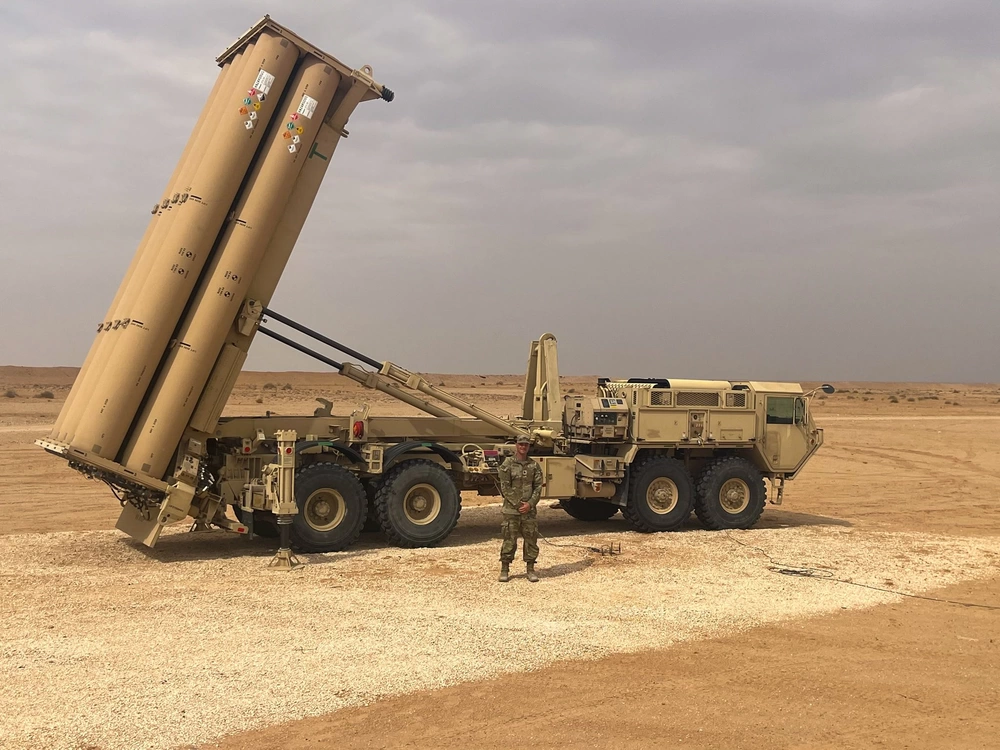
South Korean President Lee Jae Myung expressed reservations on Tuesday about the US withdrawing equipment from South Korea, but said he couldn’t fully oppose the move.
“The USFK (US Forces Korea) may dispatch some air defense systems abroad in accordance with its own military needs. While we have expressed opposition, the reality is that we cannot fully push through our position,” Lee said, though in other comments, he said it wouldn’t impact deterrence against North Korea.
Trump administration officials have downplayed the concerns about dwindling air defense munitions, though they have also acknowledged the difficulty in intercepting Iran’s Shahed drones, which are produced at a much cheaper and faster rate than US interceptors.
President Trump hosted representatives from the major US weapons makers at the White House on Friday and said they agreed to “quadruple” production of what he called “Exquisite Class Weaponry,” though building the infrastructure to reach that level will likely take years.