In the week leading up to the war on Iran, Israel repeatedly warned Lebanon would be targeted if Hezbollah became involved in that conflict, and once the war was underway the US sought to assure Lebanon that Israel had no intention to escalate the conflict into Lebanon so long as no attacks were launched from Lebanon.
Like a lot of US assurances about Israeli intentions, this didn’t ultimately mean much, because Hezbollah was critical of the attack on Iran, but stopped short of actually pledging to participate in retaliation. Israel, by contrast, attacked Lebanon anyhow.
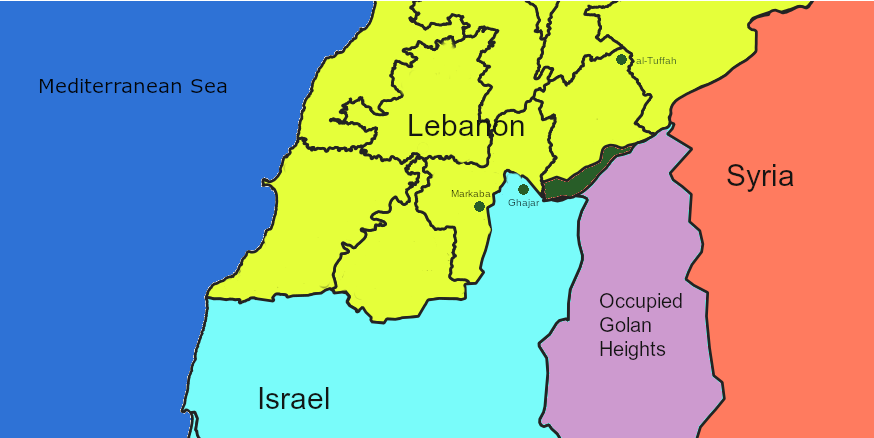
Lebanese civilian targets in Markaba and the al-Tuffah regions of southern Lebanon were reportedly targeted on the first day of this new war on Iran, and attacks continued throughout the day, though again not from Hezbollah.
The IDF claimed that the attacks on Lebanon were meant to target Hezbollah for “violations” of the ceasefire, though as with all those Israeli claims of Hezbollah violations they didn’t actually involve Hezbollah attacking Israel.
The ceasefire, which went into effect in November of 2024, was meant to end an Israeli invasion of Lebanon at the time. Since then, Israel has refused to withdraw from Lebanese territory and launched over a thousand attacks on Lebanon, while Hezbollah has not launched any strikes on Israeli territory since the ceasefire began.
Though Hezbollah has intermittently threatened retaliation for Israeli strikes, there have yet to be any such moves. Hezbollah leader Naim Qassem suggested today that the group would “confront the aggression” of Israel and the United States, suggesting some such action might be taken at some point.
Israeli media has reported air raid sirens were activated in Israeli border towns near Lebanon, including in Ghajar. Even there, however, there has yet to be a confirmation of any strikes carried out by Hezbollah.