This time last month, the Syrian military was sweeping through Kurdish territory in the country’s northeast Hasakeh Governorate, and having seized control of the al-Hawl prison camp, there were reports of thousands of ISIS-linked detainees being freed by the Islamist government’s forces.
The government downplayed this issue, blaming the escapes on Kurdish security weakness, and claimed to have recaptured them almost immediately. US intelligence assessments, however, suggest that wasn’t the case, and that 15,000 to as many as 20,000 escapees from Camp Hawl remain at large.
The camp was one of several that, after the defeat of ISIS, was being used as a more or less permanent holding facility for people with any ties for the former Caliphate. Massive numbers of non-fighters were being held on a permanent basis, including those suspected of being family members of ISIS figures.
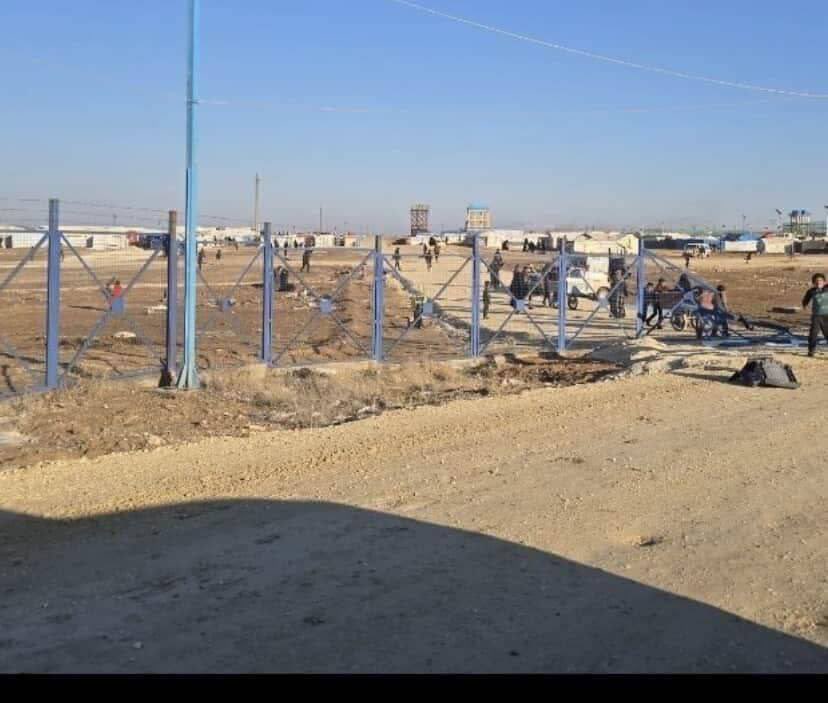
al-Hawl prison camp after government takeover | image from X
Estimates put the number of detainees at Camp Hawl as high as 70,000 at one point, and the population of the prison included many young children, some of whom were born after the camp itself was established. With the fall of autonomous Syrian Kurdistan, the US announced it was sending several thousand of the detainees to neighboring Iraq for safekeeping.
There was never any sort of real resolution to this, however. The US did send thousands of detainees to Iraq, but many, many more simply went missing in the chaos of the Hasakeh offensive and prison takeover, and where they are now remains unclear.
The nature of these open-ended prison camp cities means many people who didn’t really have a violent background or a substantial criminal history were likely radicalized by the camp environment and the concern is that now that they are out of custody, many will willingly join ISIS.
While ISIS isn’t believed to hold a substantial amount of territory anymore, and are far removed from their Caliphate days when they held substantial parts of Syria and Iraq, the group has retained a capability to carry out attacks and with a massive influx of fighters like this could be poised for a resurgence.
The prison camps were in many ways the product of regional powers being unwilling to reintegrate their populations once there was any indication they might be receptive to ISIS ideology. Yet ironically this left that large number of such people in an environment where they were offered no alternative but ISIS ideology, and carefully sequestered in the region where joining ISIS would be the most straightforward once those camps inevitably failed to hold them.