The US has effectively declared an end to their military support for the Syrian Kurdish SDF is causing no small amount of resentment in the Kurdish community, which after a long-term partnership feels that they are watching a “betrayal” in real time, as Syrian military forces overrun the Syrian Kurdish northeast and the US cheers them on to “unify” the nation.
US-SDF ties unraveled rather quickly, considering how long that faction was America’s go-to ally in Syria. But the side effect of this is that US relations with Turkey, which has long been strained by US support for those Kurds, stand to quickly recover.
Turkey’s policy on Syria has been rather cynically built around keeping the Kurds in the nation under thumb, fearing that a successful autonomous Kurdish region within the neighboring nation would give Turkey’s own Kurdish minority ideas that contradict with their government’s policies.
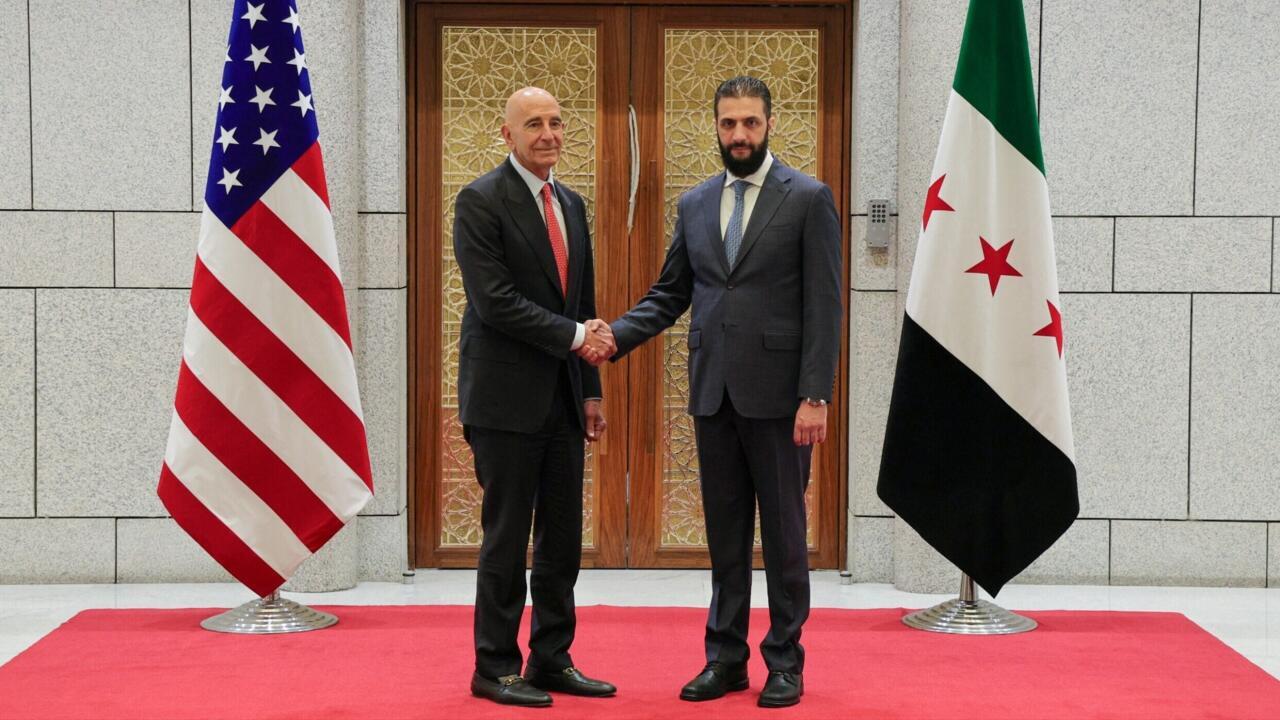
Tom Barrack with Syrian leader Ahmed al-Sharaa | Image from X
Turkey had for over a decade complained about US ties to the SDF, and similarly voiced disquiet about the Syrian government’s plan to “integrate” the Kurds into the government, cheering loudly when the government, instead, launched offensives against SDF territory, demanding that the Kurds unconditionally disarm and disband.
The US decision to scrap support for the Kurds stands to make the job substantially easier for US Ambassador to Turkey Tom Barrack, who has been involved in Syria for months and has been steering US policy toward encouraging the dismantling of the SDF, declaring this week that the group’s mission had already been accomplished and that it no longer needs to exist.
After spending months warning the Kurds that federalism doesn’t work, Barrack has spent recent days accusing them of trying to drag Israel into the fight over the future of Syria’s Kurds, which he argued is an exclusively “internal Syria” matter.
Turkey stands to gain substantially economically from a centralized Syrian state that is its puppet in all but name, and Israel is pretty openly opposed to that idea, arguing it threatens regional security. The SDF has some historical support from Israel, indeed, and at this point it would be unsurprising to see them trying to get the Israeli involved in the conflict, because they are seemingly the one ally that they have left now that the US has chosen sides.
How much Israeli involvement in the SDF fighting stands to benefit anybody is another question entirely, as Israel is actively occupying parts of southwestern Syria, and their own goal with respect to the SDF may be less about protecting the Kurds than ensuring Turkey doesn’t have an easy go of it in expanding their sphere of influence in the region.