Yemen’s Ansar Allah, also known as the Houthis, has launched multiple attacks on airports in Saudi Arabia in recent days, marking an escalation of the conflict, which was reignited by Saudi airstrikes on the Sanaa International Airport back in July.
The ramped-up Ansar Allah strikes on airports came after the group warned on October 5 that Saudi airspace would no longer be safe for civilian aircraft.
On Thursday, Ansar Allah military spokesman Yahya Saree announced a ballistic missile attack on the King Khalid International Airport in Riyadh. Later in the day, he announced a cruise missile strike on the same airport and said that Najran Airport and an airbase in Khamis Mushait were also targeted.
According to Reuters, one of the attacks on the King Khalid Airport left a commercial aircraft belonging to Saudi state carrier Saudia Airlines heavily damaged. On Wednesday, Saudi authorities said that multiple attacks on the King Khalid Airport and the Abha International Airport killed three people, including two women, and wounded 36.
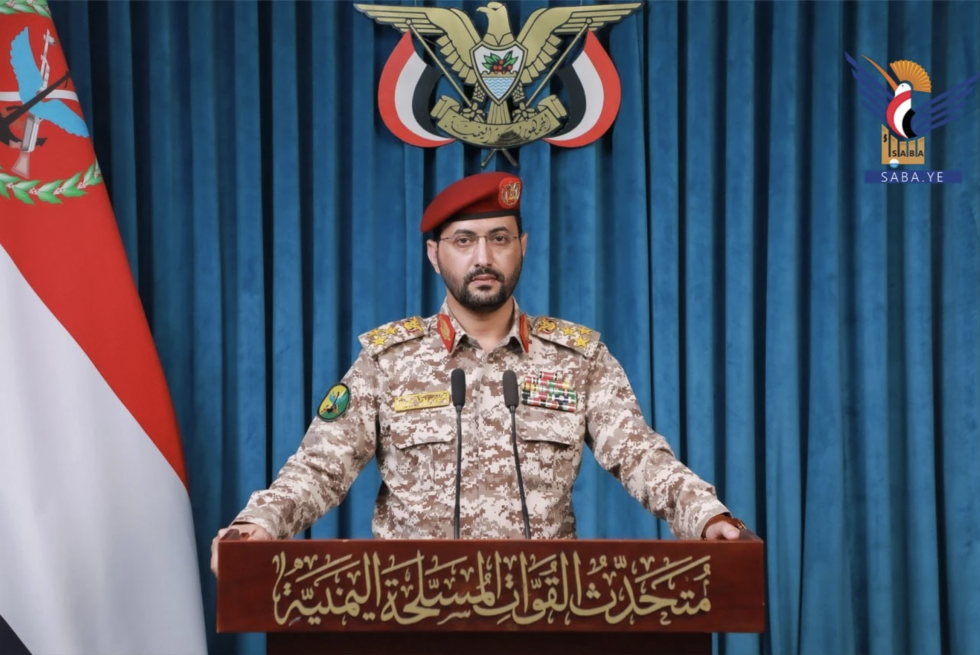
In his statements on Thursday, Saree also issued a warning to workers at Saudi oil sites, suggesting an escalation in strikes on Saudi oil infrastructure was coming, and renewed his warning to airliners.
“The Yemeni Armed Forces warn all employees, including experts, engineers, and workers in all Saudi oil facilities, against being in locations that represent targets for our forces, so as not to endanger their lives, whether those that have been targeted before or others,” Saree wrote on Telegram.
“They also renew their warning to air navigation companies in the fields and airports, and to travelers and workers in them that were previously declared,” Saree added.
Fighting continues on the ground in Yemen, with Ansar Allah advancing around the southwestern city of Taiz. Saudi-backed forces have launched a counteroffensive aimed at rolling back Ansar Allah’s gains, but there’s been no sign that it has had success despite earlier claims. US-backed Saudi airstrikes also continue to pound Yemen, and there’s been an increasing number of civilian casualties.