Over 300 people have been killed in days of clashes in southwestern Yemen, causing many civilians to flee the area, AFP reported on Sunday, as the war in the country has reignited following escalations that began in the wake of Saudi Arabia’s July airstrikes that targeted the Sanaa International Airport.
The report cited sources in Ansar Allah, commonly known as the Houthis, who said that 57 Houthi fighters were killed between midday Saturday and early Sunday. In that same period, 84 militants belonging to the forces of the Saudi-backed Yemeni government were killed.
The AFP said its tally of over 300 killed was based on multiple sources and took into account some civilians who were killed. Four civilians were reported killed in Taiz by an Ansar Allah missile strike on Saturday, and three civilians, all women, were reported killed in Hodeidah due to shelling from Saudi-backed forces in Hodeidah.
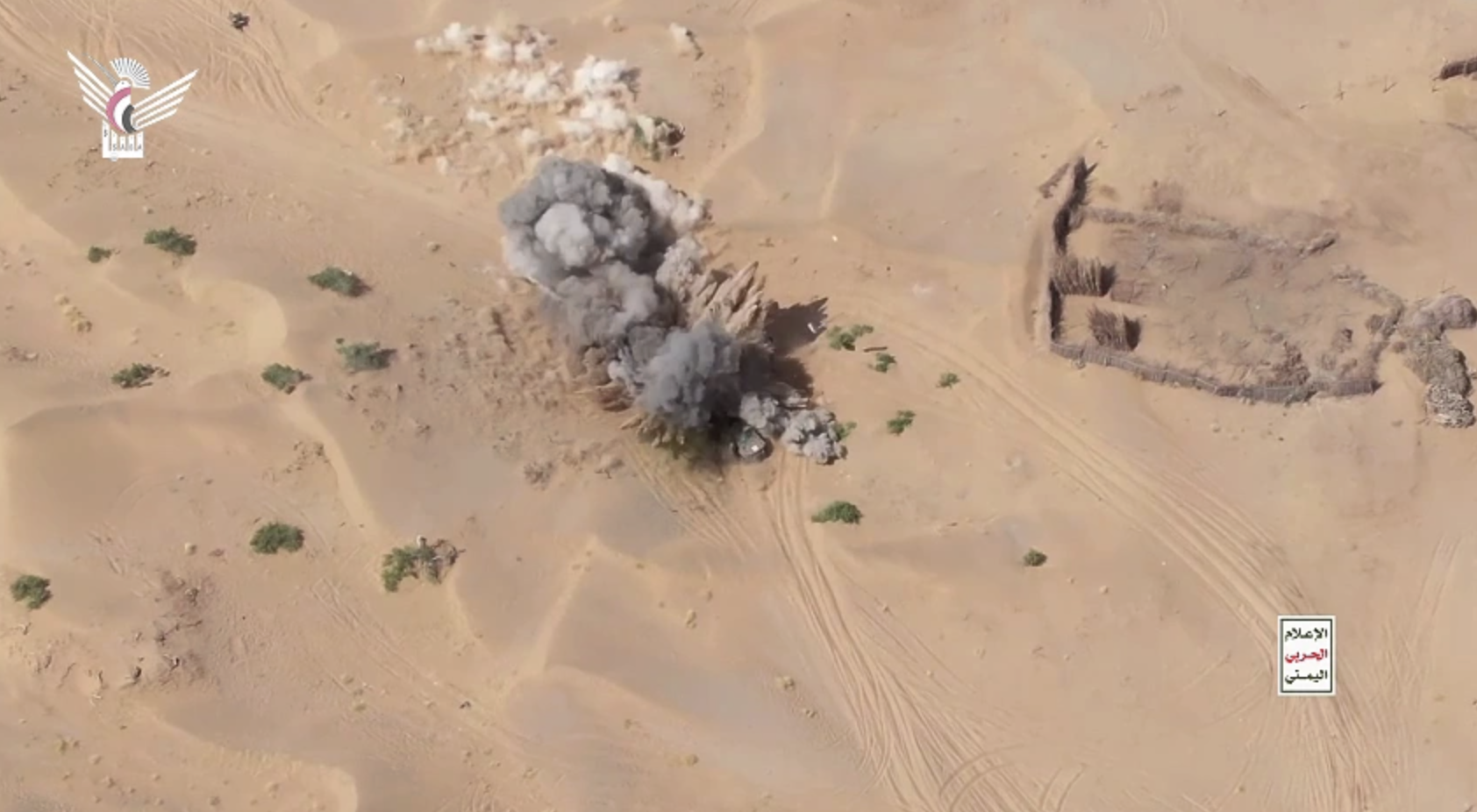
Ansar Allah has announced some military operations and released videos of specific strikes but has stayed relatively quiet about its current goals. According to media reports citing sources within the Saudi-backed government, Houthi fighters are pushing toward the Bab el-Mandeb Strait and have cut off the city of Taiz from Mocha, a port city on the Bab el-Mandeb that has faced heavy Ansar Allah attacks since the war restarted.
Ansar Allah has controlled the Yemeni capital Sanaa since 2014 and governs an area of northwestern Yemen where the majority of Yemenis live, while the Saudi-backed government controls parts of southwestern Yemen, including Taiz, Mocha, and Aden, though its leadership is based in Riyadh.
A ceasefire between the Saudis and the Houthis had held relatively well since 2022, but a Saudi blockade on Yemen’s ports and airports was never fully lifted. The strikes on the Sanaa airport were launched to enforce that blockade and were meant to prevent a plane from landing that was carrying a delegation of Yemeni officials who attended the funeral of Ayatollah Ali Khamenei in Iran. US and Saudi officials also alleged the plane was carrying weapons.
Following the strikes, Ansar Allah announced a blockade on Saudi ports, calling it a “blockade for a blockade,” and began striking oil infrastructure inside Saudi Arabia and launching attacks against Saudi-backed forces in Yemen. Ansar Allah had framed the attacks inside Yemen as pre-empting Saudi plans for a major ground offensive.