Shipping companies are avoiding using the US military-guided transit scheme through the Strait of Hormuz after several Iranian attacks on vessels in the area, Reuters reported on Wednesday, citing shipping and maritime industry sources.
The report said that Iran had mines in shipping lanes that go through the middle of the strait, requiring ships to either use a route close to Oman or one close to Iran. Since July 7, multiple ships have been attacked near Oman while attempting to transit under the US scheme, yet President Trump and US Central Command continue to claim that the strait is open.
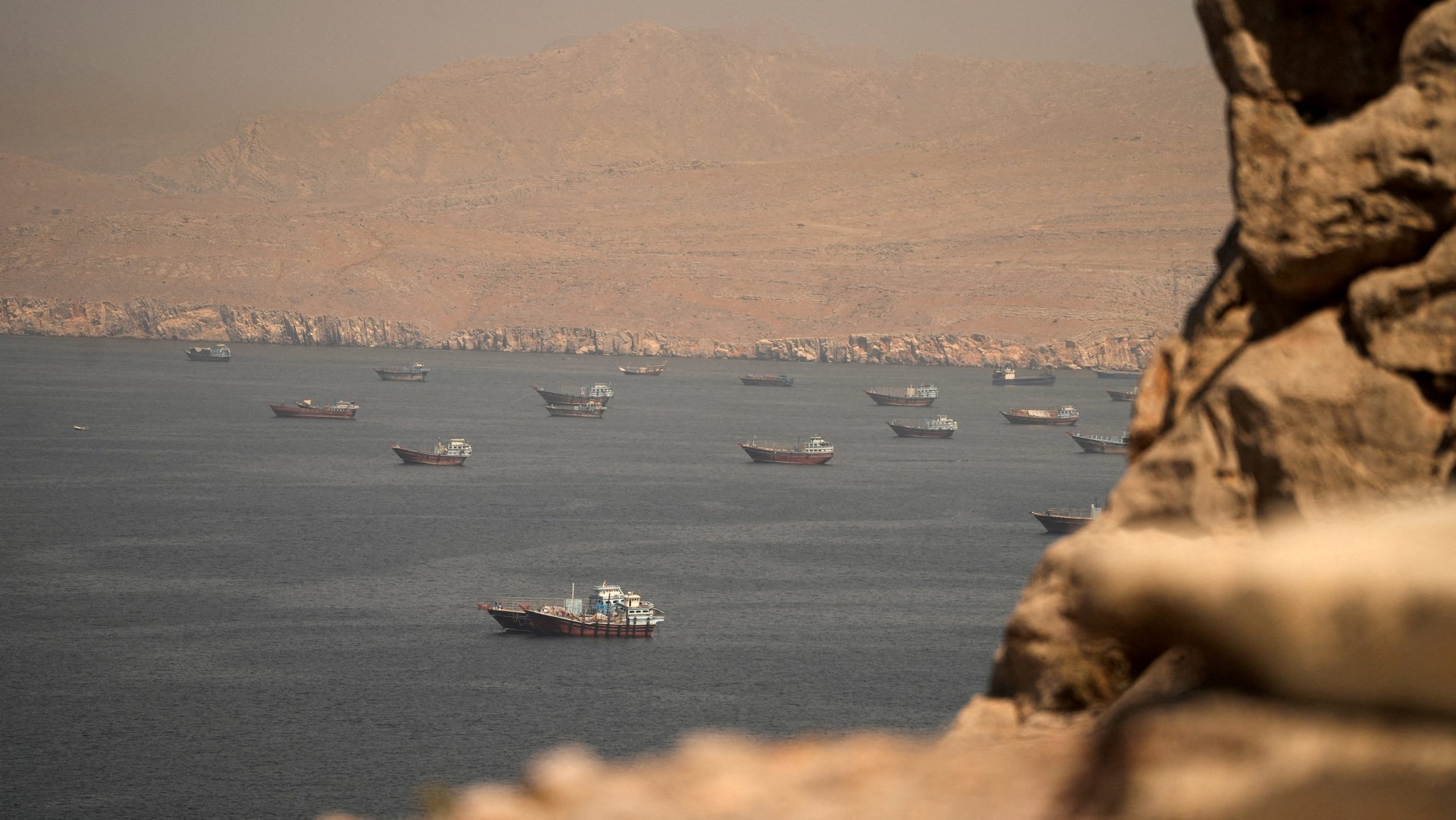
“They have stated that the Strait of Hormuz is ‘not closed’ and remains available to use,” a maritime security source told Reuters. “This is making operators nervous and uncertain. Whilst they all have to make their own risk assessments, this is clearly not safe, so why say it is open?”
A shipping source told the outlet that the US “doesn’t seem to have any control over the situation” and that their shipping company has opted not to transit the strait due to safety concerns.
Iran’s Islamic Revolutionary Guard Corps (IRGC) said on Wednesday that, over the previous 24 hours, its forces fired “warning shots” at two ships it said attempted to pass through the Strait of Hormuz without authorization from Iran. Earlier this week, the IRGC struck two tankers, killing at least one Indian crew member.
The US may also begin attacks on commercial ships again as it has reimposed the blockade of Iranian ports. During the previous blockade, the US bombed multiple civilian vessels, and one attack killed three Indian mariners.
CENTCOM said on Wednesday that since reimposing the blockade, US forces “have redirected two commercial vessels attempting to run the blockade.”