Iranian Parliament Speaker Mohammad Bagher Ghalibaf said on Sunday that implementing the US-Iran Memorandum of Understanding was “difficult but possible” as he continues to favor diplomacy with the US despite recent strikes and high tensions between Washington and Tehran.
Ghalibaf made the comments during a meeting with senior Hamas official Mohammed Darwish on the sidelines of the ceremonies being held in Iran for the funeral of Iranian Supreme Leader Ayatollah Ali Khamenei, who was killed by the US and Israel on February 28, the first day of the joint US-Israeli attacks on the country.
“We have no peace with the United States, and we will not recognize Israel,’ Ghalibaf told Darwish, according to Iran’s PressTV. The Iranian parliament speaker said Iran would continue to assist what it calls the “resistance front” in the region “if needed with missiles, and if political pressure is required, pressure through negotiations.”
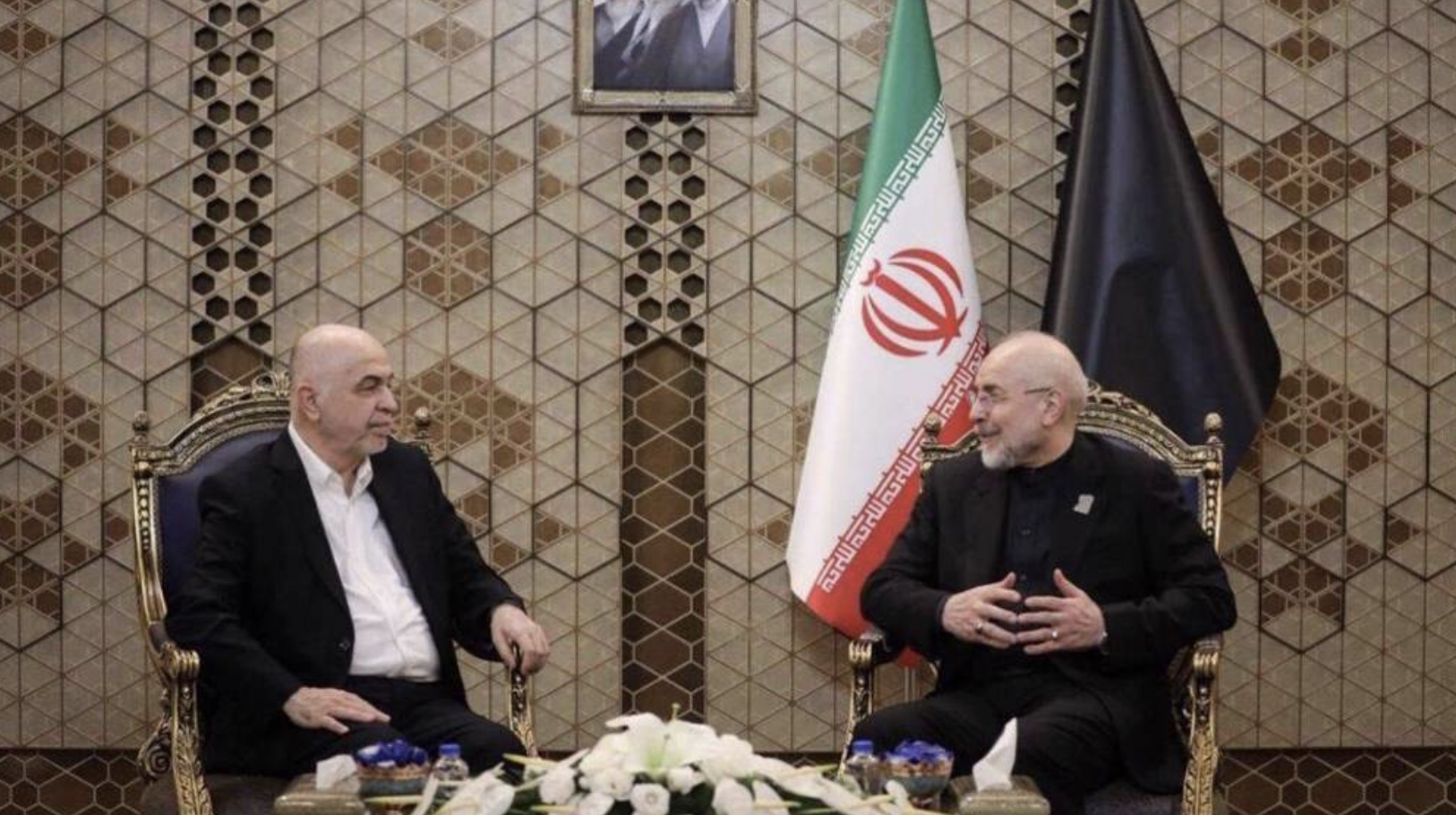
Ghalibaf noted that Iran was able to get the US to agree to add a ceasefire in Lebanon to the MoU following Israeli strikes on the southern suburbs of Beirut. “We told the American side that the territorial integrity of regional countries and the cessation of war against Iran’s allies in the resistance groups must be part of the memorandum, and it was added to the text,” he said.
The US-Iran MoU calls for an end to war “on all fronts,” though the only conflict mentioned specifically by name is Israel’s war in Lebanon, and there’s no sign that the US is pressing Israel to de-escalate in Gaza, where the IDF continues daily attacks and is taking more territory in violation of the October 2025 ceasefire deal.
Israel’s war and occupation in southern Lebanon also continue, and a “framework agreement” was signed between the Lebanese government and Israel, which doesn’t appear to be compatible with the US-Iran MoU since Israeli officials have insisted it allows the IDF to continue the occupation.
The US and Iran are also at odds over other issues, including the Strait of Hormuz and Iran’s frozen funds. “Today, this memorandum is being implemented, and its enforcement is difficult, but possible,” Ghalibaf told Darwish.
Israel reportedly sought to kill Ghalibaf while he was negotiating with the US in April and, according to one of Ghalibaf’s aides, deployed a fighter jet to shoot down his plane while he was on his way back from Pakistan, forcing the Iranian delegation to land at Iran’s closest airport to Pakistan and travel back to Tehran by land.