Though they didn’t provide exact numbers for how many are still at large, the Syrian Interior Ministry has confirmed that the al-Hawl camp that housed ISIS detainees in the Hasakeh Governorate did experience mass escapes in the weeks since the central government seized the camp from the Kurdish SDF.
This agrees with an assessment from US intelligence late last week, which estimated 15,000 to as many as 20,000 escapees were still at large from al-Hawl camp. There were reports last month when the camp fell of government forces releasing people en masse.
At the time, the Syrian government rejected those claims, saying that the Kurds had actually released a small number of people for some inscrutable reason, and that they had already been recaptured. Now that the confirmation of how many people escaped and when they did so has emerged, the narrative has had to change.
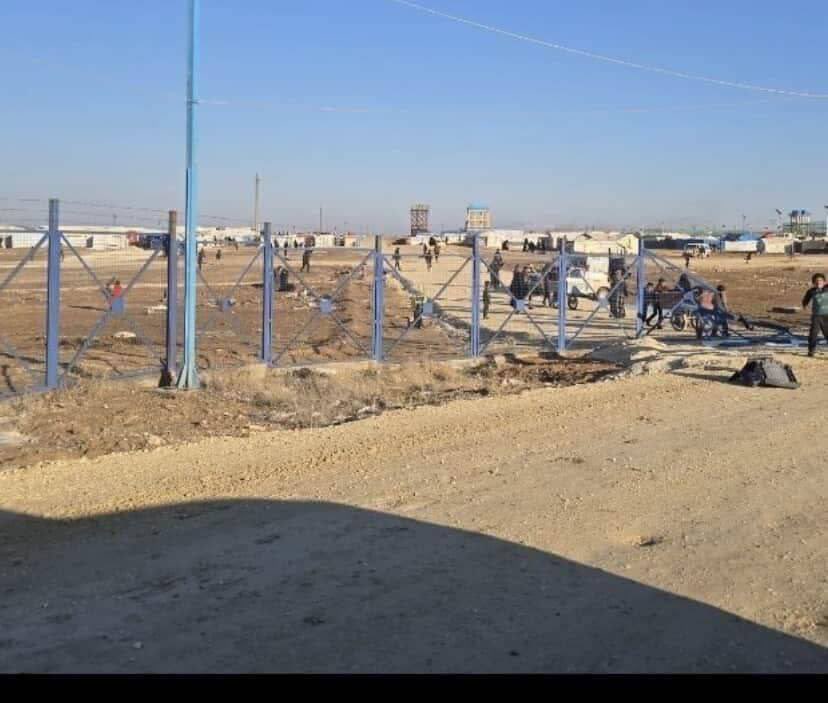
al-Hawl prison camp after government takeover | image from X
The Interior Ministry is now saying detainees in al-Hawl were facing “shocking conditions” when the central government took over the camp, that 70% of the camp population were women and children, and that unnamed “smuggling networks” helped them escape.
Perhaps the most dramatic narrative change was the declaration that “there are no ISIS prisoners in al-Hawl camp,” in as much as it is among the largest ISIS prison camps in Syria. It has been known that a large population of the camp was always civilians who were merely ISIS-adjacent, relatives of fighters or people seen as ideologically sympathetic, but suggesting the camp had no ISIS members in it is a massive shift, particularly since the camp is still open and the government isn’t actually releasing the women and children unless other countries are willing to accept them.
When ISIS was on the rise in the creation of their brief Caliphate, they recruited adherents from around the world. The consequence is that long after the fact, many people who weren’t combatants remain in legal limbo, including children born in the Caliphate or even in the camps after ISIS’ defeat.
For years the solution was to dump this population into the hands of the Kurdish regional forces in Syria, but now that the central government has seized that region, the plan as well as the public-facing narrative has changed. Thousands of the “ISIS-linked” people have been sent to Iraq to face a similar uncertain future there, but the bulk are seemingly still in Syria, just not in al-Hawl anymore.