For the past several days, Israel has been reported to be spraying “unidentified chemicals” on land in southern Lebanon, as well as southwestern Syria’s Quneitra Governorate. The chemicals were sprayed largely over farmland in both areas.
Samples taken in the Lebanese area finally answered the question of what was being sprayed, and the answer isn’t good for farmers in the area, as the areas showed they were exposed to glyphosate at heavy concentrations.
Glyphosate is a broad spectrum herbicide, and while commonly used at lower levels, it has been the subject of repeated concerns worldwide because of the health risks it poses, particularly at higher doses, including likely causing cancer.
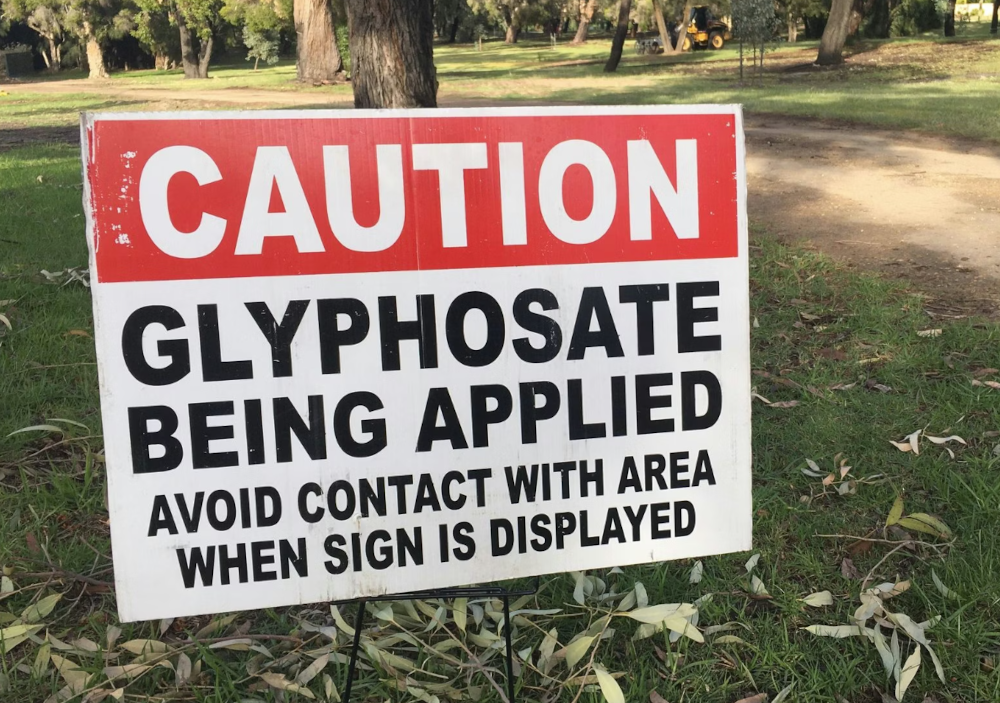
Higher level concentration on farmland, particularly in the Levant, is bad news, because of the damage it does to the soil and the chelation of minerals by the chemical, which makes them no longer available for the crops. Since farmland in both of these areas are already not the richest soil in the world, this could easily do long term damage to the viability of growing crops there.
Lebanese Agriculture Minister Nizar Hani warned the use of the chemicals was in keeping with an effort to create a “vegetation-free” land, and that the damage to the soil and water in the area could pose serious risk to humans.
Since Israel has been pushing a plan for months to totally depopulate southern Lebanon and create a “Trump economic zone” out of the area, the deployment of chemicals that stand to poison the land and water for years to come is unlikely to appear accidental.
The Euro-Mediterranean Human Rights Monitor issued a statement warning the chemical spaying amounting to “large-scale destruction of private property without specific military necessity amounts to a war crime,” adding that deliberately targeting civilian farmland was a violation of international law.
Israel has not publicly commented on the chemicals so far, but having started spraying near a UN peacekeeper patrol, reportedly told the UN that the chemicals were “non-toxic.” That appears to have been generally untrue.