Israel’s invaded Lebanon in late 2024, culminating in a ceasefire that was reached in November of that year. It was never much of a ceasefire, with Israel consistently launching attacks on Lebanese territory ever since. With the escalations though, it’s even less of a ceasefire than ever.
Strikes are happening on a virtually daily basis, and in January, at least 50 distinct air raids were reported, making that month the highest since the ceasefire went into effect. This escalation does not seem to be over.
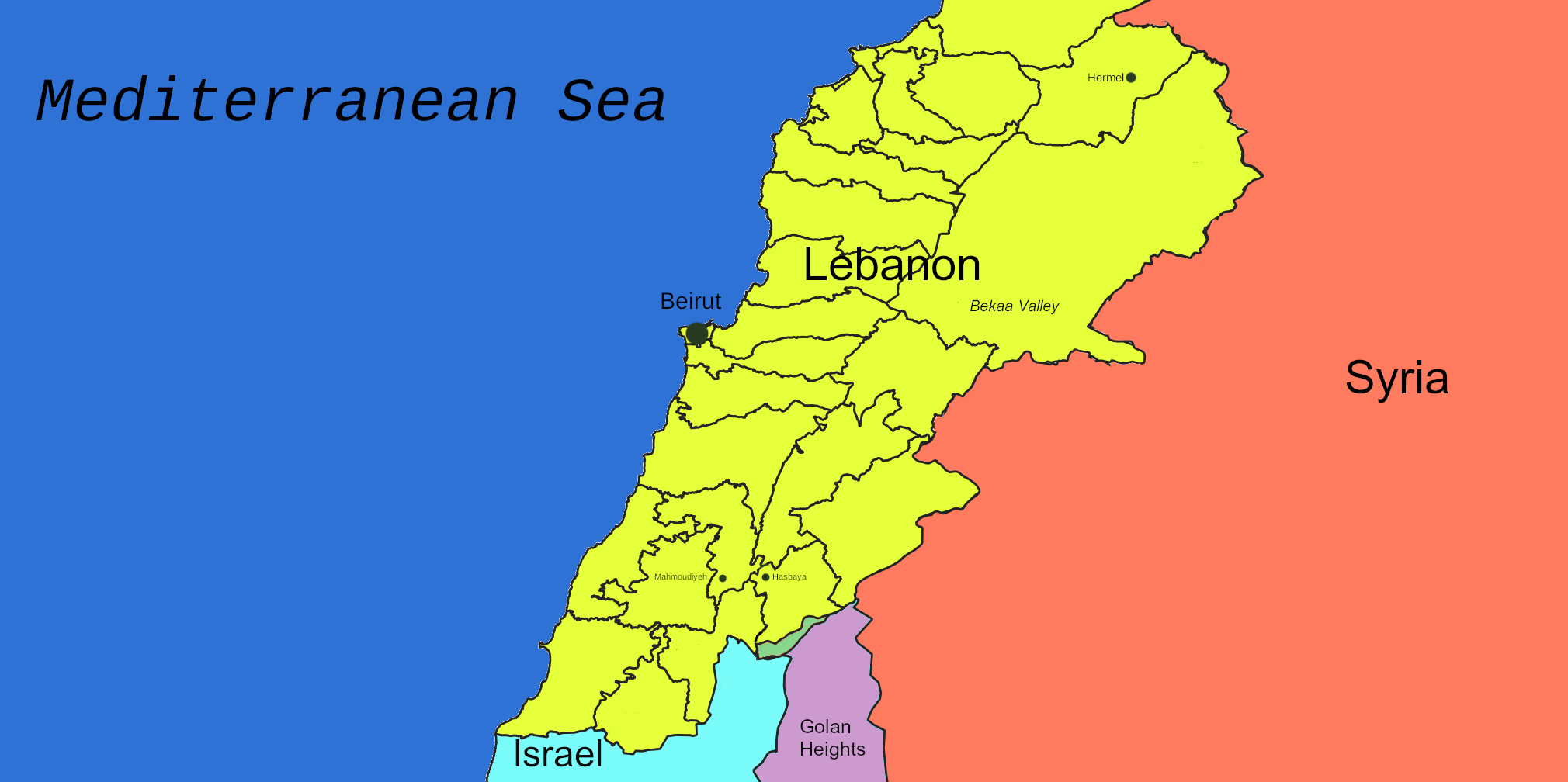
Today, multiple Israeli attacks were reported against various sites in southern and eastern Lebanon. The mountains around Hermel are in particular being hit heavily, though exactly what is being targeted is unclear, beyond Israel generally saying it’s attacking “Hezbollah infrastructure.”
While it’s still early in February, the pace of strikes certainly shows no signs of slowing, and if anything the escalation is continuing apace. It is only that the month has fewer days that’s liable to stop February from setting a new high mark for strikes.
Today’s strikes included two air raids against Mahmoudiyeh, one against the Hasbaya District, and also the strikes in the mountains near Hermel. Given the 50 raids per month high, today is well above the usual pace, in keeping with Israel’s constant threats for further escalation.
The IDF statements claimed that the various strikes hit “underground Hezbollah weapons storage,” and claimed to have seen secondary explosives which proved weapons were there. They offered, as usual, no evidence that any of the sites contained weapons.