Former Iraqi Prime Minister Nouri al-Maliki has very publicly rejected President Trump’s demand he be prevented from returning to power, declaring it “blatant American interference in Iraq’s internal affairs,” and a violation of Iraqi sovereignty.
Iraq held its most recent parliamentary elections in November, and with current Prime Minister Mohammed Shia al-Sudani ruling out another term, the largest bloc selected Maliki to try to form the next government, potentially returning him to the post he occupied from 2006 to 2014.
Maliki is something of a controversial choice, though he has been endorsed by both Shi’ite and Kurdish groups. President Trump, however, insinuated America into this situation with a post on Truth Social Tuesday, denouncing Maliki’s “insane policies and ideologies” and declaring he can’t be allowed to return to power.
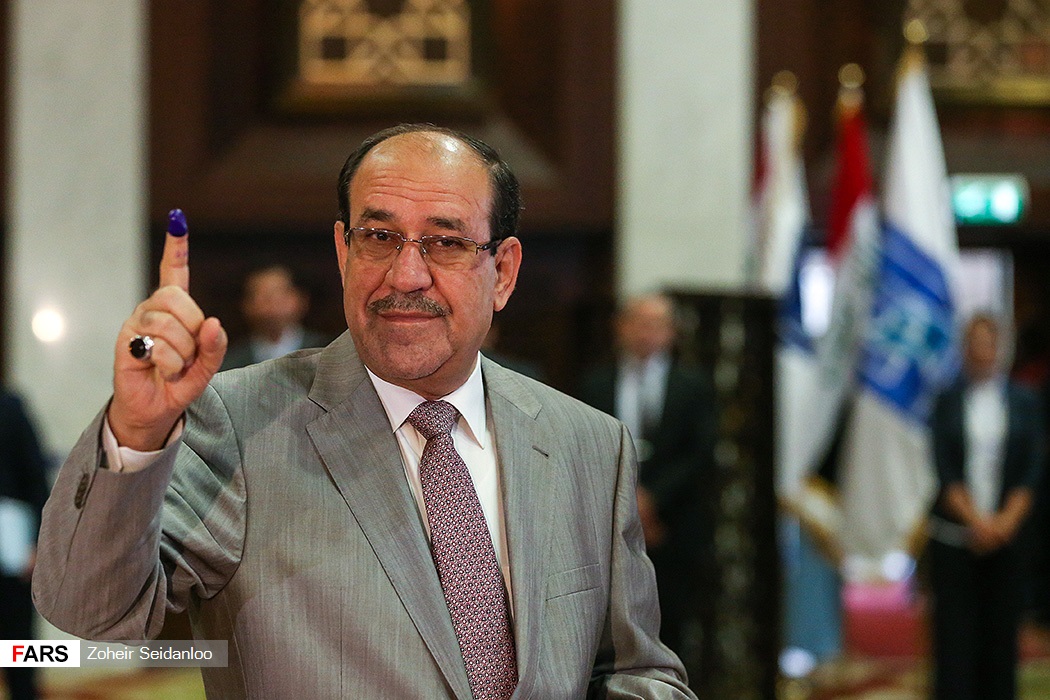
Former Iraqi PM Nouri al-Maliki | Image is CC 4.0, from Wikimedia
Trump warned that if Iraq didn’t block Maliki outright, the United States would end all support for Iraq going forward. This adds to the threats made previously that the US might withhold Iraq’s oil revenue if the government including “pro-Iran” figures. Since Iraq’s government revenue is overwhelmingly the oil revenue, which is held at the New York Federal Reserve Bank, the US blocking that account would quickly bankrupt the nation.
Maliki and Sudani were roughly split in the race for support for the largest Shi’ite coalition, but after Sudani stepped aside, Maliki’s selection was a foregone conclusion, even if the US objects to his historical ties to Iran.
Though the 75-year-old Maliki insists he won’t step down from the nomination, it’s not clear if Iraq can ultimately afford to form a government led by him in opposition to Trump’s diktats, as the Federal Reserve holding their money really does give the US de facto veto power over Iraq’s political decisions.
This banking solution likely made sense in the early days of the US occupation and reconstruction, but at this point it clearly is restricting Iraqi autonomy, and gives the US government an easy level to pull any time it suits them. As this is the second time the US has used the threat of seizing their money to get their way, both times under President Trump, it is likely whoever Iraq ultimately brings to power will have to focus on the idea of reforming their revenue system to ensure continuity going forward, and deny the US this power over them.