With heavy fighting raging between the Syrian military and the Kurdish SDF in the country’s northeast, President Ahmed Sharaa sought to make a concession to the nation’s ethnic Kurdish minority with a new decree enshrining a modicum of rights to them.
The decree granted Kurdish the status of an official language within Syria, made Kurdish Newroz a national holiday, and most significantly, vowed to restore citizenship to ethnic Kurds within Hasakeh Governorate who had it stripped away through a 1962 decree.
That’s a rather strange situation, but a long-standing problem for the Kurds in Hasakeh. Many of them moved from Turkish territory into Hasakeh area during the French Mandate, and were granted citizenship at the time.
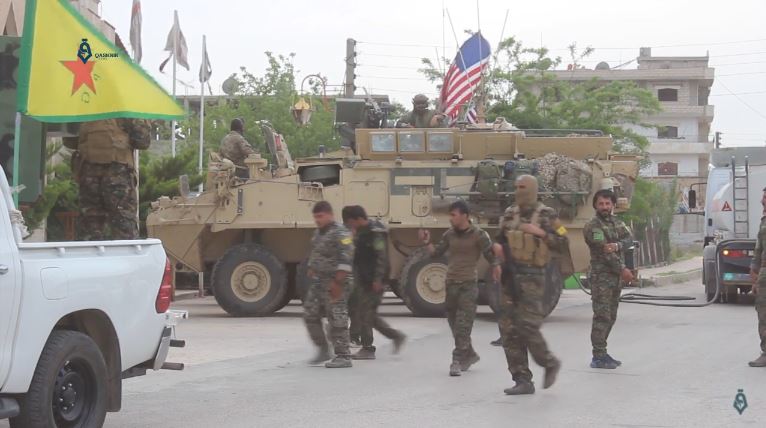
US and Kurdish forces in Hasakeh | Image from Wikimedia Commons, CC 3.0
In 1962, however, during the separation of Syria and Egypt, the new government created the concept of “al-Hasakeh Foreigners,” whereby those Kurds were considered foreign nationals, albeit without a nation. Since then, a large number of ethnic Kurds in Hasakeh, those stripped of citizenship in 1962 and their families since then, have been functionally stateless “maktoom” people.
Bashar al-Assad actually tried to address this in 2011 in the exact same way Sharaa is now, issuing a decree at the time assuring citizenship to all Kurds living in Hasakeh. In practice, this was never entirely implemented by administrators, who continued to deny legal paperwork to Kurds born within Hasakeh, leaving the matter largely unresolved for them.
This lack of resolution is leading the Kurdish officials in northeastern Syria to say that regardless of intentions the Sharaa decree is insufficient, and that they want actual, constitutional recognition of their rights as a people of Syria.
Salih Muslim, a top Kurdish PYD figure, summarized their position as believing the decrees “are individual promises. They say ‘you must abandon your weapons, and then they will give you some rights, like studying in your own language’. That is not enough, unless it is documented and written into the country’s constitution.”
Other Kurdish officials welcomed the decree for what it was, but similarly said they view it as the foundational basis for additional talks with the government on formalizing those rights for the Kurds, as opposed to something actually accomplished more than symbolic recognition by the current president.