After days of fighting and the sealing off of the Kurdish neighborhoods in the northern Syrian city of Aleppo, the last of the SDF has reportedly withdrawn from the city as part of a deal with central government forces, though the SDF maintains it is only a “partial ceasefire” and not, as is being reported elsewhere, them ceding the neighborhoods to the military.
Partial or not, the ceasefire is providing some measure of relief to the locals, who are aiming to return to their homes in the battered neighborhoods. The US helped negotiate the latest version of the deal to see the SDF leave the neighborhoods, though it remains unclear if the Syrian Army has lifted their label of “active military zones,” which they applied to the Kurdish part of Aleppo on Wednesday.
The fighting has raged since Tuesday, when the SDF and the military clashed at a checkpoint near Deir Hafer, a town just southeast of Aleppo. The fighting soon expanded into the city itself, and escalated into the heaviest fighting between the SDF and security forces since the ouster of the Assad government in 2024.
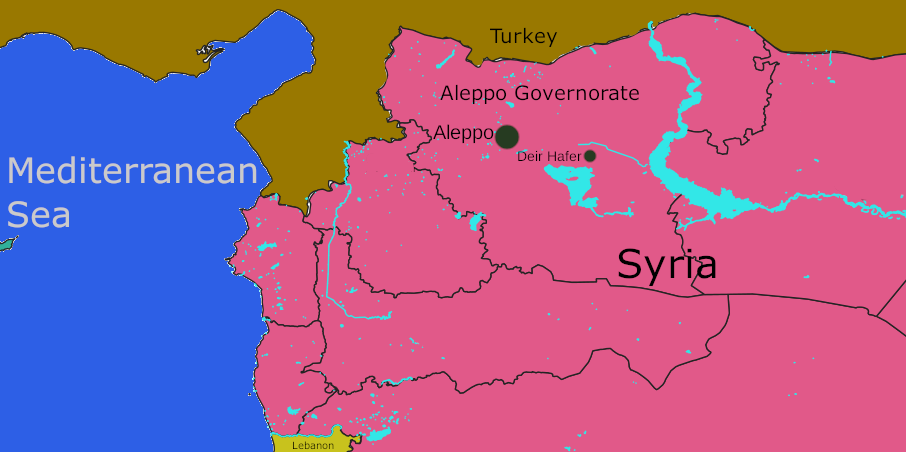
The fighting left dozens dead, scores wounded, and some 150,000 people displaced. By Saturday, the army claimed to have full control of Aleppo, but it wasn’t until Sunday that the last of the SDF withdrew from the city, and even then the narrative was that it was a temporary withdrawal to allow humanitarian aid into the neighborhoods.
Sunday wasn’t fully calm either, as the Syrian Defense Ministry accused the SDF of building up forces near Deir Hafer, which once again is where all of this started. The SDF said this claim was “misleading” and that the influx of people was civilian aid groups coming to receive injured people being evacuated after the fighting in Aleppo.
The Kurdish civilian authorities issued a statement calling on the military to respect the ceasefire and to also release all the civilian detainees they had taken in the course of the fighting over the last few days. It’s not clear how many people were captured that weren’t involved in the fighting.
Is it stands both sides continue to blame the other for the fighting starting in the first place, and both maintain it was the other who was responsible for the civilian casualties in the fighting in Aleppo.
This further complicates plans to integrate the SDF into the military, a deal which was reached in principle in March of 2025, but which is practice has led to start and stop negotiations book-ended by conflicts between the two sides. That the latest fighting was the largest yet will likely only add to the resistance by both sides to finalizing the deal.
The Kurds, in particular, see the government’s plan to monopolize force of arms within Syria as dangerous to their status as an autonomous region during the Syrian civil war, and will lead to a violent crushing of Kurdish regions. The central government has pushed to centralize all power in the country under their control, and while eliminating the SDF advances that agenda, the concern that the Kurds will be loyal to Syrian Kurdish regions, whether they’re in the SDF or integrated into the military, has them loathe to give former SDF officers high-ranking position in the defense ministry, which is part of why the talks keep stalling. This past week’s fighting will likely lead both sides to conclude their fears are justified, making a compromise less likely.