In a far-reaching interview with al-Arabiya English, Israeli Foreign Minister Gideon Sa’ar tried to downplay Israel’s security issues with their various neighbors, which broadly boil down to a claim that Israel’s regional issues are anywhere and everywhere Iran’s fault.
With respect to Lebanon, which Israel has conducted thousands of attacks on since a ceasefire was put into effect, nominally ending the 2024 Israeli invasion, Sa’ar insisted that Israel actually has only “minor disputes” with Lebanon that could be easily resolved.
Those “minor” disputes involve multiple recent Israeli invasions of Lebanon, the active occupation of several parts of southern Lebanon, including the Shebaa Farms territory which they claim to be part of Israel, and thousands of airstrikes launched on Lebanese territory since the ceasefire went into effect, killing hundreds of people, including well over 100 civilians. Israel has also proposed that the entire south of Lebanon be “depopulated” and transformed into what is being called a “Trump Zone.”
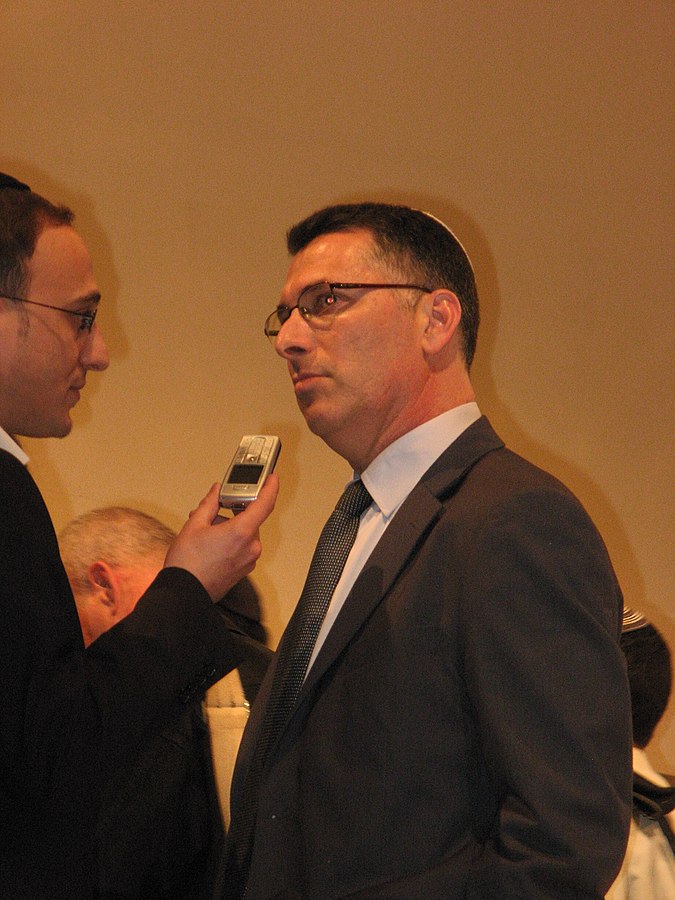
Israel FM Gideon Sa’ar (image under Creative Commons license)
With regard to complaints that Israel is both plainly violating the ceasefire with its attacks and actively violating Lebanese sovereignty with both their attacks and their ongoing occupation, Sa’ar claimed it was actually Hezbollah, and by extension Iran, who was violating that sovereignty.
Sa’ar said that Israel’s goal in Lebanon was to “finish Hezbollah” and to “bring Lebanon back to its people.” That is within the context of daily attacks on Lebanese territory and growing reports in the Israeli media that the Israeli Army is preparing another major new war against Lebanon, nominally to target Hezbollah.
Israeli officials were quoted in those reports as saying Hezbollah is trying to restore its capabilities in southern Lebanon, a narrative disputed by UN personnel in the area, and that this chance for another war would “not be missed.”
Since the ceasefire went into effect in November of 2024, Hezbollah has not fired a single rocket at Israel. Israel, by contrast, has carried out thousands of strikes on Lebanon, mostly while claiming they’re targeting Hezbollah, but without evidence that the casualties had anything to do with Hezbollah.
The growing talk of a new war is being noted internationally, with the UK the latest to issue a travel warning citing the “fragile” situation and the potential of a “return to war.” Since attacks on Lebanon remain a daily reality, it’s difficult to define what would actually constitute a “new” war, but the escalation continues, with strikes reported again today in Lebanon’s south.