The US and its Middle East allies have already fired more than 1,000 PAC-3 interceptors using the US-made Patriot air defense system since the US and Israel launched the war with Iran on February 28, according to a report from Bloomberg.
Lockheed Martin currently produces PAC-3 interceptors at a rate of about 600 per year, meaning the US and its allies have fired nearly two years’ worth of the munitions in just 11 days, highlighting the strain the war is putting on US military stockpiles.
Lockheed Martin has said it will work to produce 2,000 PAC-3 missiles per year, but it will take years to reach that production level.
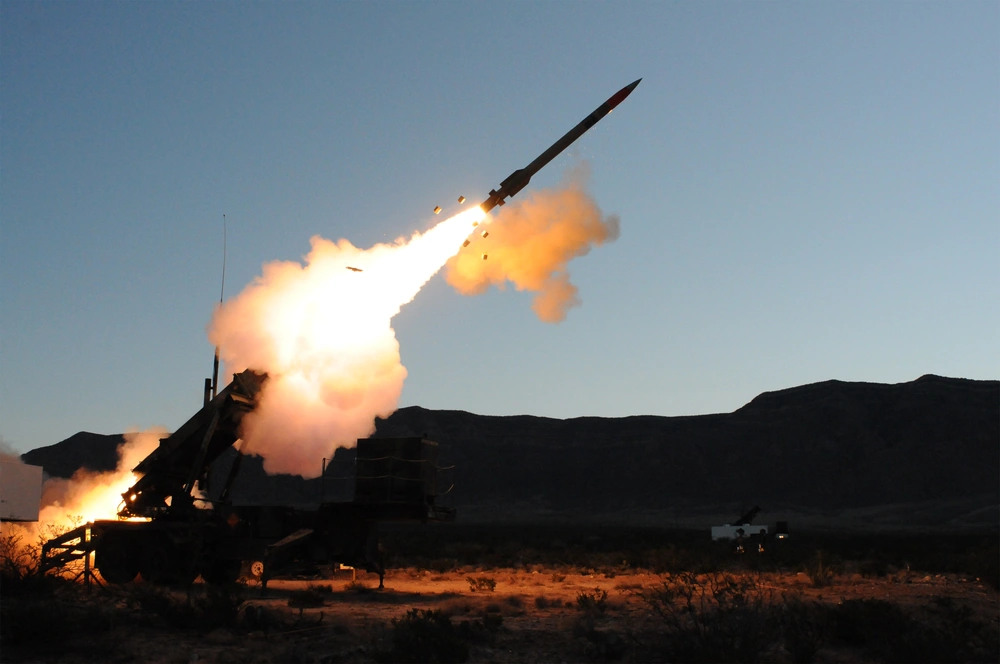
PAC-3 interceptors cost between $3 million and $4 million apiece to produce, meaning the total cost of just PAC missile use in the war could be as high as $4 billion. The US has also used a large number of THAAD interceptors and has begun moving pieces of a THAAD system based in South Korea to the Middle East. It’s also working to deploy Patriot interceptors from its bases in the Asia-Pacific and elsewhere around the world for use in the war with Iran.
CBS News reported on Wednesday that the US’s Gulf allies have said they will have to be more selective about which projectiles to shoot down amid dwindling supplies. Middle East Eye previously reported that the US’s Arab allies had requested more missiles but were being “stonewalled” by the US.
Other US allies are worried that the war will impact US military aid, including Ukrainian President Volodymyr Zelensky, who has been calling for NATO to provide more Patriot missiles. The Ukrainian leader said that since Russia invaded more than four years ago, Ukraine has received 600 PAC-3 interceptors.
Trump administration officials have downplayed the concerns about dwindling air defense munitions, though they have also acknowledged the difficulty in intercepting Iran’s Shahed drones, which are produced at a much cheaper and faster rate than US interceptors.