Before the US and Israel launched a war against Iran on Saturday morning and killed Ayatollah Ali Khamenei, the CIA assessed that if the Iranian leader were killed, his rule would likely be replaced by “hardline” figures from Iran’s Islamic Revolutionary Guard Corps, Reuters has reported.
The report said that the assessment was produced over the past two weeks as the US was building up its forces in the region and preparing to launch the war. The New York Times reported that the CIA had been tracking Khamenei for months and knew that he would be at his compound in Tehran meeting senior Iranian officials on Saturday morning, where he was hit by a joint US-Israeli strike.
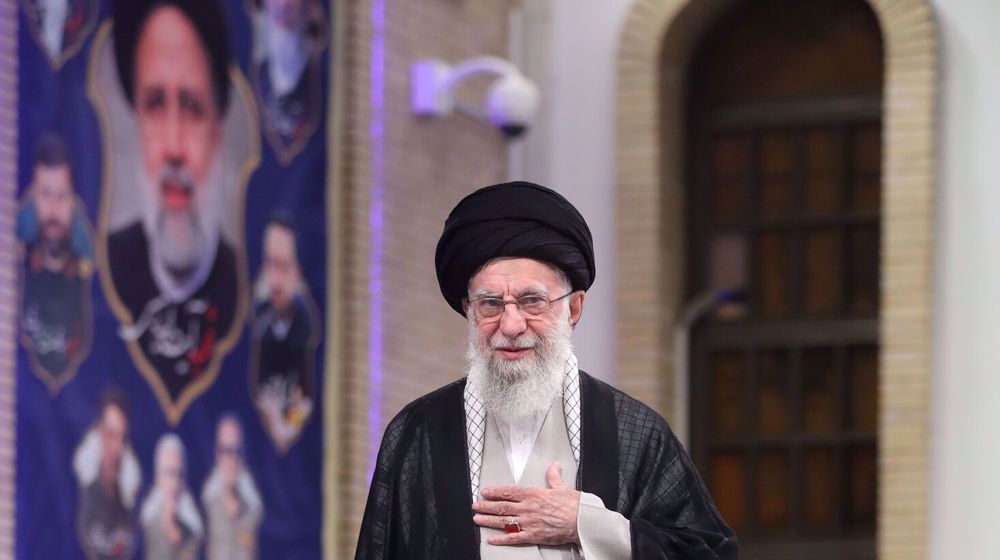
Since Khamenei’s death, the Iranian government has created a council, headed by Ayatollah Alireza Arafi, to govern the country until Iran’s “Assembly of Experts” chooses a new supreme leader. Killing Khamenei does not appear to have impacted Iran’s military operations as Iranian missiles and drones continue to hit targets across the region, including in Israel and countries hosting US military bases.
During previous confrontations with the US, including the 12-Day War in June 2025 and when President Trump assassinated Gen. Qassem Soleimani, the head of the IRGC’s Quds Force, Iran’s response to the US attacks was minimal and more symbolic, as it provided notice ahead of time. But now, Iran has targeted multiple US bases, and there’s no sign Tehran is interested in de-escalation.
According to an unconfirmed report from Israel’s Ynet, after killing Khamenei, President Trump sought a ceasefire, but the idea was rejected by Iran. Trita Parsi, executive vice president of the Quincy Institute, says that leadership in Tehran now believes that if it agrees to a ceasefire without inflicting enough costs on the US, the US and Israel will just attack again in the future.
“Iran understands that many in the American security establishment had been convinced that Iran’s past restraint reflected weakness and an inability or unwillingness to face the US in a direct war,” Parsi wrote on X. “Tehran is now doing everything it can to demonstrate the opposite – despite the massive cost it itself will pay. Ironically, the assassination of Khamenei facilitated this shift.”