The US Treasury Department’s Office of Foreign Assets Control said on Wednesday that it would allow some sales of Venezuelan oil to private businesses in Cuba, marking an easing of the US oil embargo, though it’s unclear if the limited sales will bring real relief to the island.
The OFAC statement said that its new “favorable licensing policy” will authorize licenses for companies seeking to resell Venezuelan oil for “commercial and humanitarian use in Cuba” but that it would not allow “transactions involving, or for the benefit, of any persons or entities associated with the Cuban military, intelligence services, or other government institutions.”
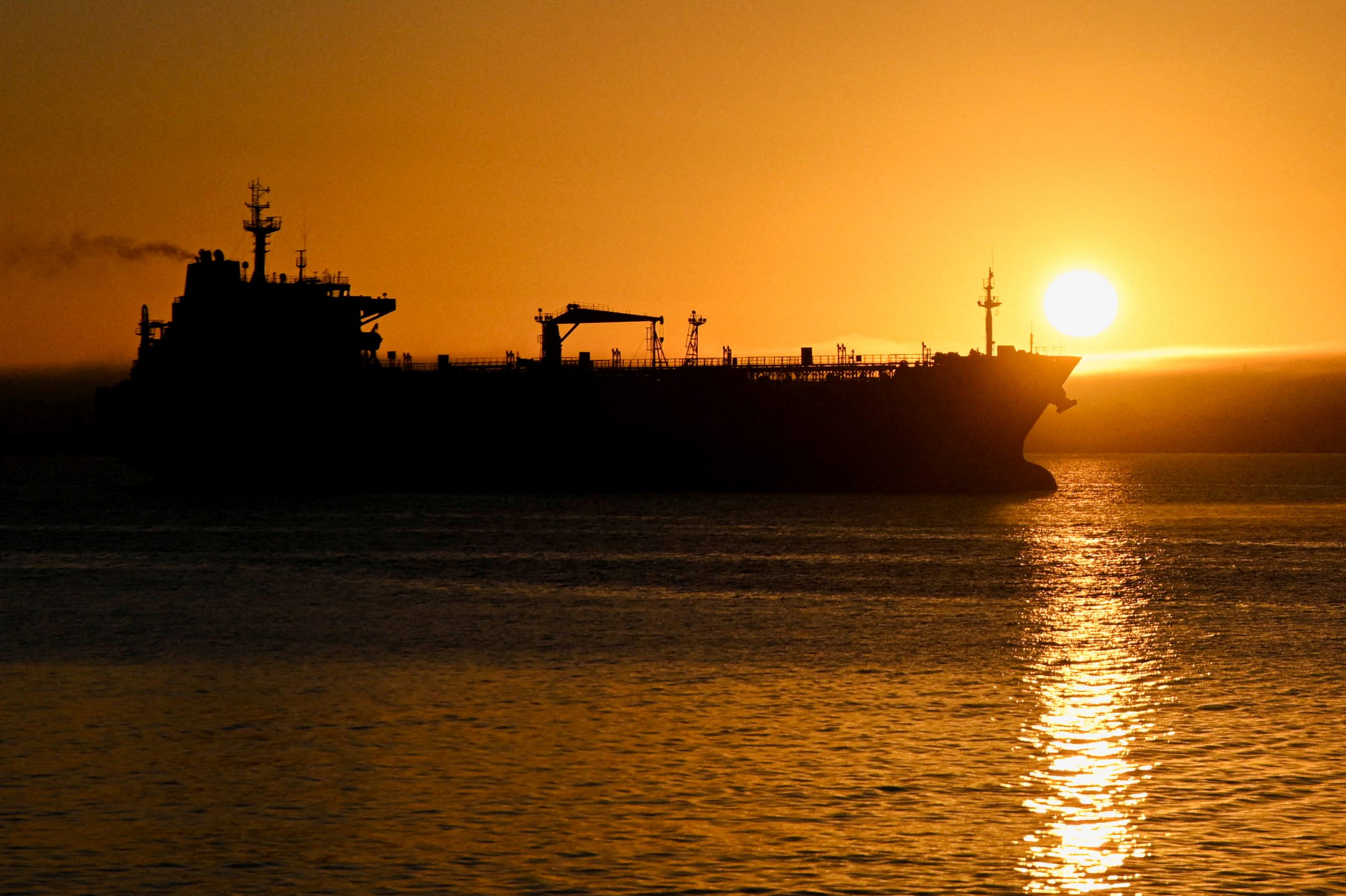
Since the US attack on Venezuela to abduct President Nicolas Maduro, the US has cut off Venezuelan oil shipments to Cuba and pressured Mexico to stop exporting oil to the country by threatening an increase in tariffs. The two countries accounted for nearly 80% of Cuba’s oil imports, and the ramped-up US embargo has caused a major fuel crisis in Havana, with some analysts expecting a total blackout by the end of this month.
President Trump previously boasted about the effects of his embargo, noting that “they don’t even have jet fuel for airplanes to take off.” He said the embargo would remain in place until Washington and Havana reach some sort of “deal,” though it’s unclear what sort of agreement could be reached since the administration is signaling that it wants regime change.
The Treasury Department’s policy change regarding the embargo came after US Secretary of State Marco Rubio met with Caribbean officials who expressed concern about the embargo and the worsening humanitarian crisis it’s creating.
“Humanitarian suffering serves no one,” Jamaican Prime Minister Andrew Holness said at a gathering of Caribbean leaders. “A prolonged crisis in Cuba will not remain confined to Cuba.”