Two villages in Nigeria that were hit by US missiles as part of the first US strikes in Nigeria launched on Christmas Day were not the intended target, according to a statement from the Nigerian government.
On Friday, Nigeria’s Information Minister Mohammed Idris said the strikes, which were launched by a US warship in the Gulf of Guinea, targeted “two major Islamic State (ISIS) terrorist enclaves” in the forests of the Tangaza district in Nigeria’s northwest Sokoto State, an area that’s not known as a hub for ISIS-affiliated militants, raising questions about why it was the US’s first target.
Idris also said that debris from US missiles landed in the village of Jabo in Sokoto, as well as Offa, a village in the central western Kwara state, hundreds of miles from Sokoto. Idris downplayed the damage to the villages, saying there were no civilian casualties, but residents of Offa say several homes were destroyed by the US missile, and some injuries were reported.
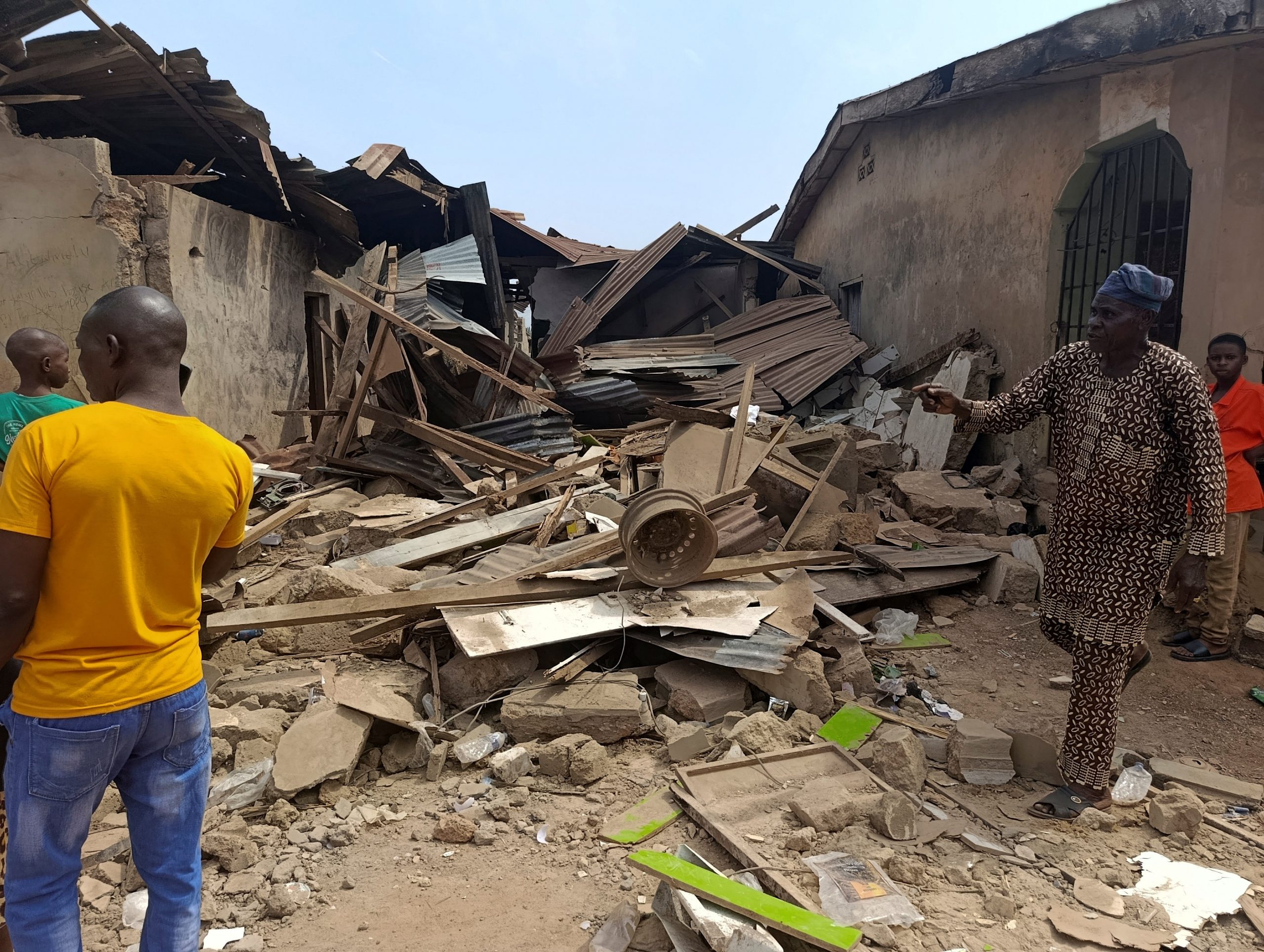
“At first, we were confused about what happened,” Benji Omale, a resident of Offa, told News Central TV, describing the loud sound he heard when a munition landed on the village. “So, we ran toward the area to find out. When we got there, we saw that several houses had been destroyed and many properties damaged.”
Omale added that the residents of the village are now “appealing to the government to take steps to address the destruction and provide some form of assistance.” Reports based on images of debris posted on social media suggest that at least three Tomahawk missiles fired by the US warship fell short of their target.
Tajudeen Alabi, a former special assistant to the Kwara State governor, told the BBC that some people were injured by the falling debris. “At least about five structures were destroyed in different locations. We saw some objects in a popular hotel, which we call Offa Central Hotel. It looked like a bomb,” he said.
In Jabo, residents described fear and confusion after US missile debris landed in a field, though there were no casualties in the village. “Our rooms began to shake, and then fire broke out,” Abubakar San, a resident of Jabo, told The Associated Press. “The Nigerian government should take appropriate measures to protect us as citizens. We have never experienced anything like this before.”
Residents of Jabo questioned President Trump’s claims that he launched the airstrikes to defend Nigeria’s Christians. “In Jabo, we see Christians as our brothers. We don’t have religious conflicts, so we weren’t expecting this,” Suleiman Kagara, a villager, told CNN.
Other Jabo residents said they didn’t understand why their village was hit since their community has not been subject to attacks by armed bandit groups or the Lakurawa, an armed group suspected of being affiliated with ISIS. Analysts suspect Lakurawa was the target of the US airstrikes, though the group’s ties to ISIS are unclear. The more well-known jihadist groups in Nigeria — Boko Haram and ISWAP — operate in northwest Nigeria.
Daniel Bwala, a spokesman for President Bola Tinubu, told the AFP on Saturday that the strikes targeted ISIS militants who were in the country to work with the Lakurawa. A day earlier, he said the US claims about the strikes were “sketchy” and said he would have more information in the coming hours.
While the US launched the strikes in cooperation with the Nigerian government, Nigerian officials have pushed back on the Trump administration’s claim that there is a “Christian genocide” in Nigeria, saying the violence affects everyone.